
What is a BMS System? Benefits and Uses in the Netherlands
Td
Understanding BMS Systems
Building Management Systems (BMS) are crucial for managing and automating the various functions within buildings, especially in a technologically advanced country like the Netherlands. A BMS integrates mechanical, electrical, and plumbing systems, ensuring they operate efficiently and harmoniously. This smart technology not only enhances comfort but also significantly reduces operational costs.

Components and Functions of BMS
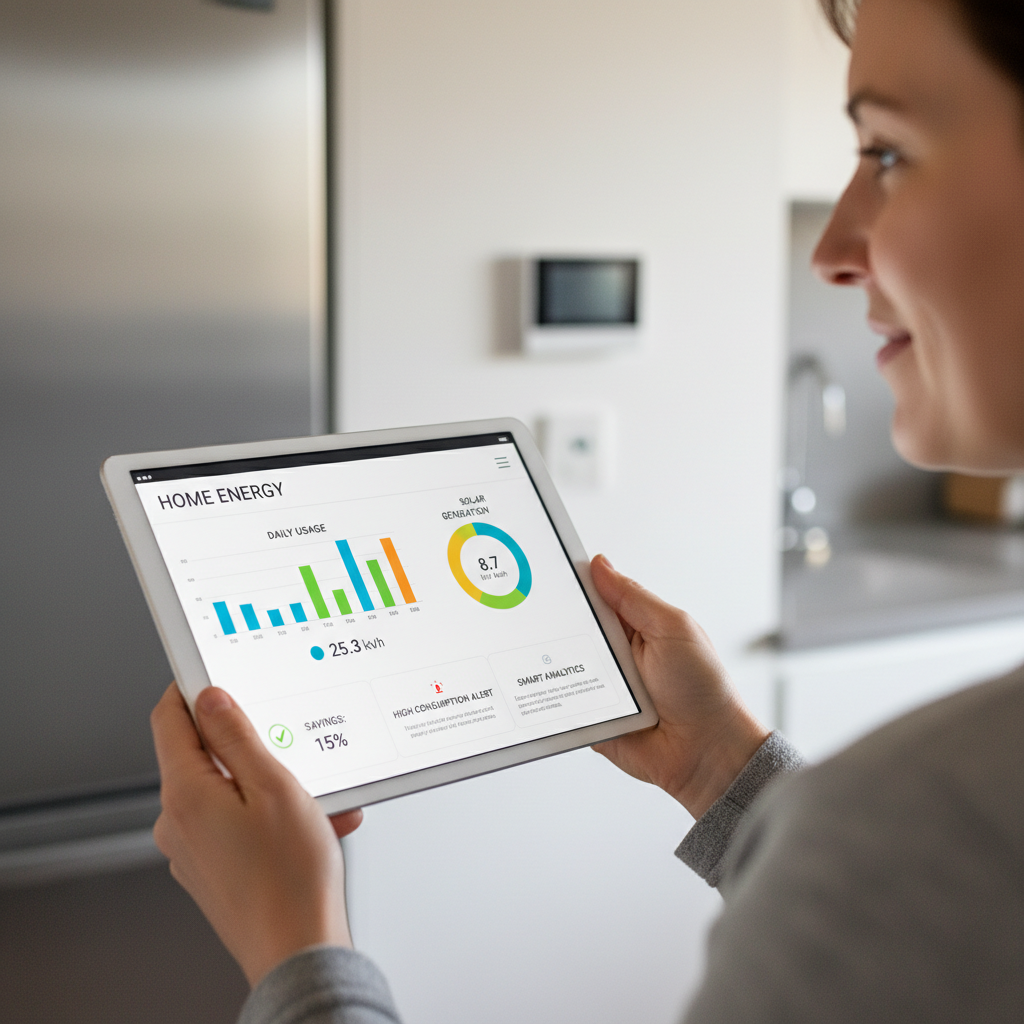
A typical BMS includes hardware and software components designed to monitor and control essential building services. These services encompass heating, ventilation, air conditioning (HVAC), lighting, and security systems. By centralizing control, a BMS provides real-time data and analytics, empowering building managers to make informed decisions.
One of the standout features is its ability to automate processes, such as adjusting lighting based on occupancy or optimizing energy use during peak times. This automation is essential for reducing energy consumption and minimizing the building's carbon footprint.
Benefits of Implementing a BMS
Implementing a BMS in the Netherlands offers numerous advantages. Here are some key benefits:
- Energy Efficiency: By optimizing the use of resources, buildings consume less energy, leading to substantial cost savings.
- Improved Comfort: Automated systems ensure optimal climate control, providing a comfortable environment for occupants.
- Enhanced Security: Integration with security systems allows for better surveillance and access control.
- Operational Insights: Real-time monitoring helps in predictive maintenance, reducing downtime and extending the life of equipment.
Applications of BMS in the Netherlands
The Netherlands, known for its progressive approach to sustainability, has widely adopted BMS technology across various sectors. From commercial buildings and hospitals to educational institutions and residential complexes, BMS systems play a pivotal role in managing operations efficiently.
In particular, the integration of renewable energy sources, like solar and wind, with BMS systems is gaining traction. This trend aligns with the country’s commitment to reducing its carbon footprint and embracing green energy solutions.
Challenges and Future Prospects
Despite the benefits, implementing a BMS can pose challenges such as high initial costs and the need for skilled personnel to manage the systems. However, the long-term savings and environmental benefits often outweigh these initial hurdles.

Looking ahead, the future of BMS in the Netherlands is promising. With advancements in IoT and AI technologies, BMS systems are expected to become even more sophisticated, offering enhanced functionalities and integrations. This evolution will further cement their role in achieving sustainable building management practices.