
Understanding PDG Assembly Services: A Comprehensive Guide
Td
Introduction to PDG Assembly Services
In the world of electronics manufacturing, understanding the intricacies of Printed Circuit Board (PCB) assembly is crucial. PDG assembly services, or Printed Circuit Board Design and Assembly, play a vital role in bringing electronic devices to life. Whether you're a seasoned engineer or just starting out, grasping the details of PDG assembly can significantly enhance your project's success.

The Importance of PDG Assembly
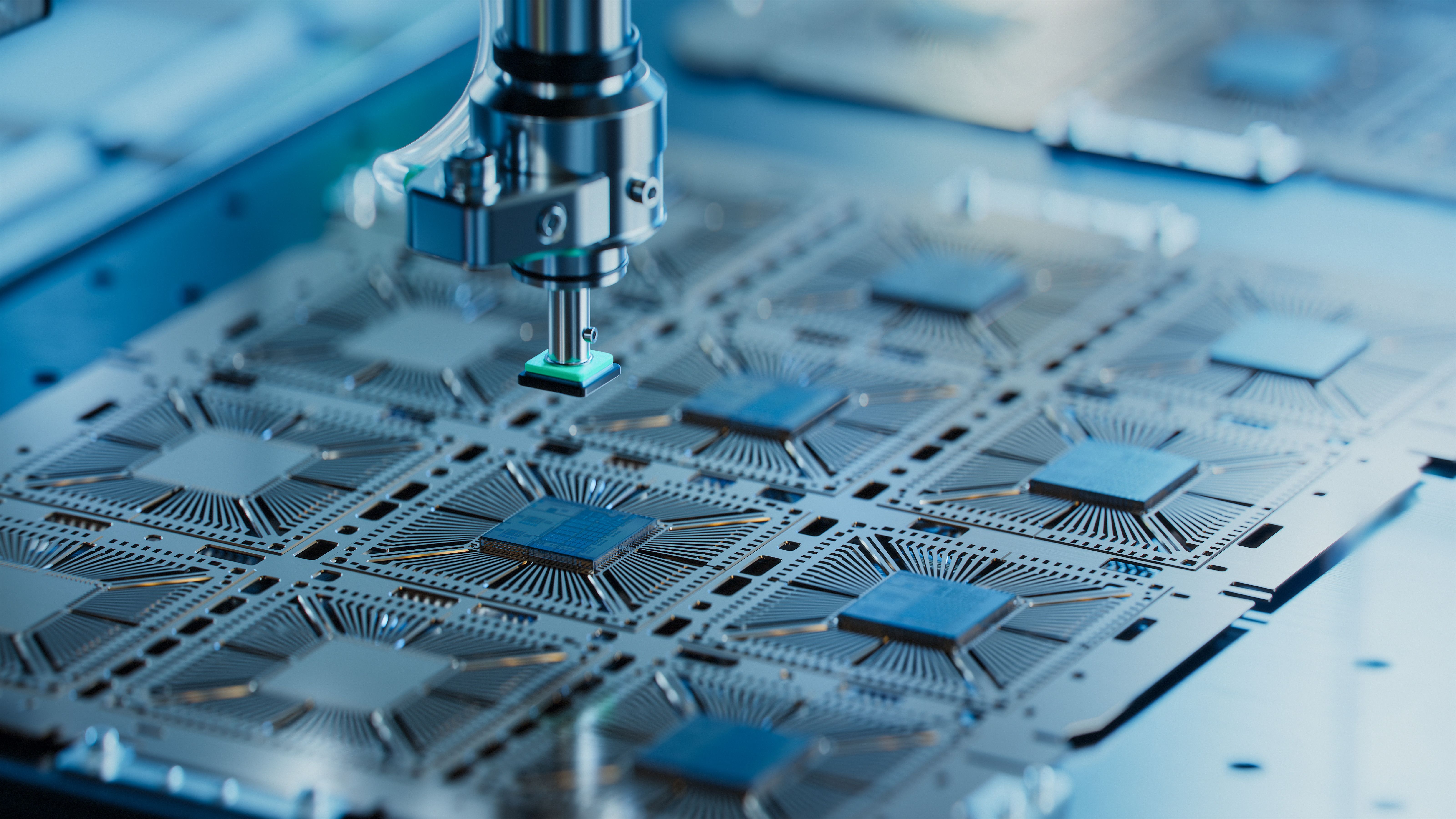
PDG assembly services are essential because they ensure that the electronic components of a device are correctly installed and function as intended. This process involves multiple steps, from soldering components onto the board to rigorous testing for quality assurance. High-quality PDG assembly guarantees reliability and performance, which are critical in today's competitive market.
Using professional PDG assembly services can help reduce errors, avoid costly reworks, and improve the overall efficiency of production. Companies that invest in expert assembly services can often bring products to market faster and with fewer defects, enhancing customer satisfaction and brand reputation.
Key Components of PDG Assembly Services
The PDG assembly process involves several key components, each contributing to the final product's quality. These components include:
- Design and Layout: Creating an optimal PCB layout is fundamental to ensuring efficient assembly and functionality.
- Soldering: This step involves attaching components to the PCB using solder to ensure secure connections.
- Inspection and Testing: Rigorous testing ensures that each board meets industry standards and functions as expected.
Types of PDG Assembly Services
There are several types of PDG assembly services, each tailored to different needs and project requirements. Some of the most common include:
- Through-Hole Assembly: This traditional method involves inserting component leads through holes in the PCB and soldering them in place.
- Surface Mount Technology (SMT): Components are mounted directly onto the surface of the PCB, allowing for more compact designs.
- Mixed Technology: Combines both through-hole and SMT techniques to accommodate complex designs.
Choosing the right type of assembly service depends on factors like component size, complexity, and production volume.
Challenges in PDG Assembly
Despite its advantages, PDG assembly can pose several challenges. These include managing component availability, ensuring precise soldering, and maintaining quality control. Engineers must navigate these challenges to deliver products that meet stringent standards.
Additionally, staying updated with technological advancements and industry trends is crucial for overcoming these obstacles and optimizing the assembly process.
Choosing the Right PDG Assembly Partner
Selecting the right PDG assembly partner is vital for project success. Consider factors such as the provider's experience, certifications, and customer reviews. A reliable partner will offer comprehensive services, from design consultation to post-production support, ensuring a smooth and efficient process.
By partnering with a reputable provider, companies can leverage expert knowledge and state-of-the-art facilities, resulting in high-quality products and reduced time to market.
Conclusion
Understanding PDG assembly services is essential for anyone involved in electronics manufacturing. By mastering the components, processes, and challenges of PDG assembly, businesses can enhance their production capabilities and deliver superior products. With the right partner and approach, PDG assembly can be a powerful tool in achieving technological innovation and market success.