
Understanding Emerging BMS Technologies: What You Need to Know
Td
In recent years, Building Management Systems (BMS) have evolved significantly, integrating advanced technologies to enhance building efficiency and occupant comfort. As the demand for smart buildings grows, understanding emerging BMS technologies becomes increasingly important for building owners, facility managers, and stakeholders.

The Evolution of BMS
Traditional BMS were primarily focused on controlling HVAC systems, but today's systems offer much more. The integration of IoT, AI, and cloud computing has transformed BMS into intelligent ecosystems that can manage a wide range of building operations. These advancements allow for real-time monitoring, predictive maintenance, and optimized energy consumption.
IoT Integration
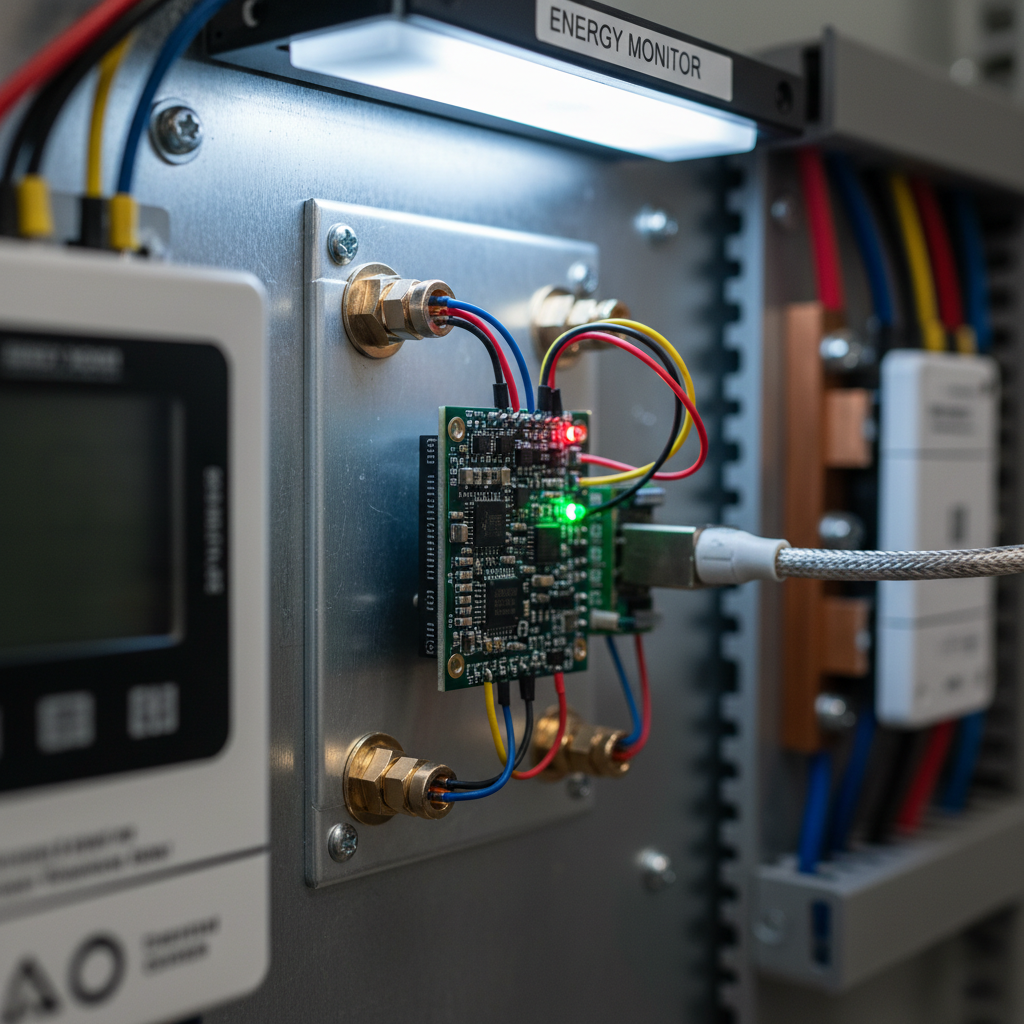
The Internet of Things (IoT) plays a crucial role in modern BMS. IoT devices and sensors collect data from various building systems, providing valuable insights into performance and usage patterns. This data enables automated adjustments, ensuring systems operate at peak efficiency while reducing energy costs.
AI and Machine Learning
Artificial Intelligence (AI) and Machine Learning (ML) are revolutionizing how BMS operate. These technologies analyze vast amounts of data to predict equipment failures, optimize energy use, and improve occupant comfort. By learning from historical data, AI-driven BMS can proactively address issues before they escalate, resulting in significant cost savings.
Benefits of Advanced BMS Technologies
Implementing advanced BMS technologies offers numerous benefits. Here are some key advantages:
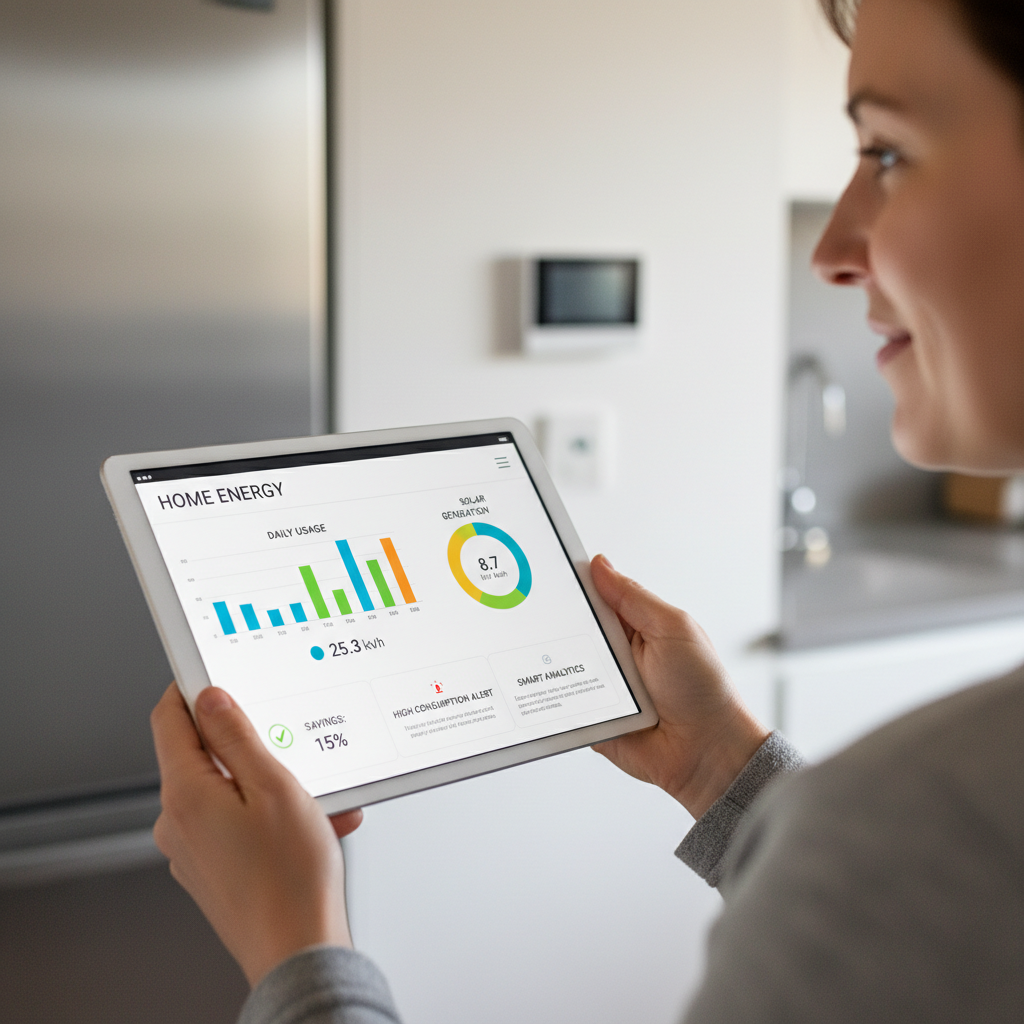
- Energy Efficiency: Automated systems reduce energy consumption by optimizing HVAC, lighting, and other building operations.
- Cost Savings: Predictive maintenance minimizes downtime and repair costs.
- Improved Comfort: Smart systems adjust lighting and temperature to enhance occupant comfort.
Cloud-Based Solutions
Cloud computing has enabled BMS to become more flexible and scalable. Cloud-based BMS solutions offer remote monitoring and control, allowing facility managers to access system data from anywhere. This accessibility ensures quick response times to issues and supports data-driven decision-making.
Security Considerations
With the integration of connected devices, security becomes a critical concern. Protecting data and ensuring the integrity of BMS systems is paramount. Implementing robust cybersecurity measures, such as encryption and regular software updates, is essential to safeguard against potential threats.
The Future of BMS
As technology continues to advance, the future of BMS looks promising. Innovations such as edge computing, advanced analytics, and increased interoperability will further enhance system capabilities. These developments will drive smarter, more sustainable building management, ultimately benefiting both businesses and the environment.

Understanding and embracing these emerging BMS technologies is crucial for staying competitive in an increasingly digital world. By leveraging the latest advancements, stakeholders can ensure their buildings are efficient, secure, and prepared for the challenges of tomorrow.