
Understanding Cloud-Based BMS Systems: A Comprehensive Guide
Td
Introduction to Cloud-Based BMS Systems
The rise of cloud technology has transformed various industries, and Building Management Systems (BMS) are no exception. Cloud-based BMS systems offer a flexible and scalable solution for managing building operations efficiently. By leveraging the cloud, these systems provide real-time data access, improved analytics, and reduced infrastructure costs.
In this guide, we'll explore the essential aspects of cloud-based BMS systems, including their benefits, key features, and how they compare to traditional systems. Whether you're a facility manager or a tech enthusiast, understanding these systems can help you make informed decisions about building management.
What is a Cloud-Based BMS System?
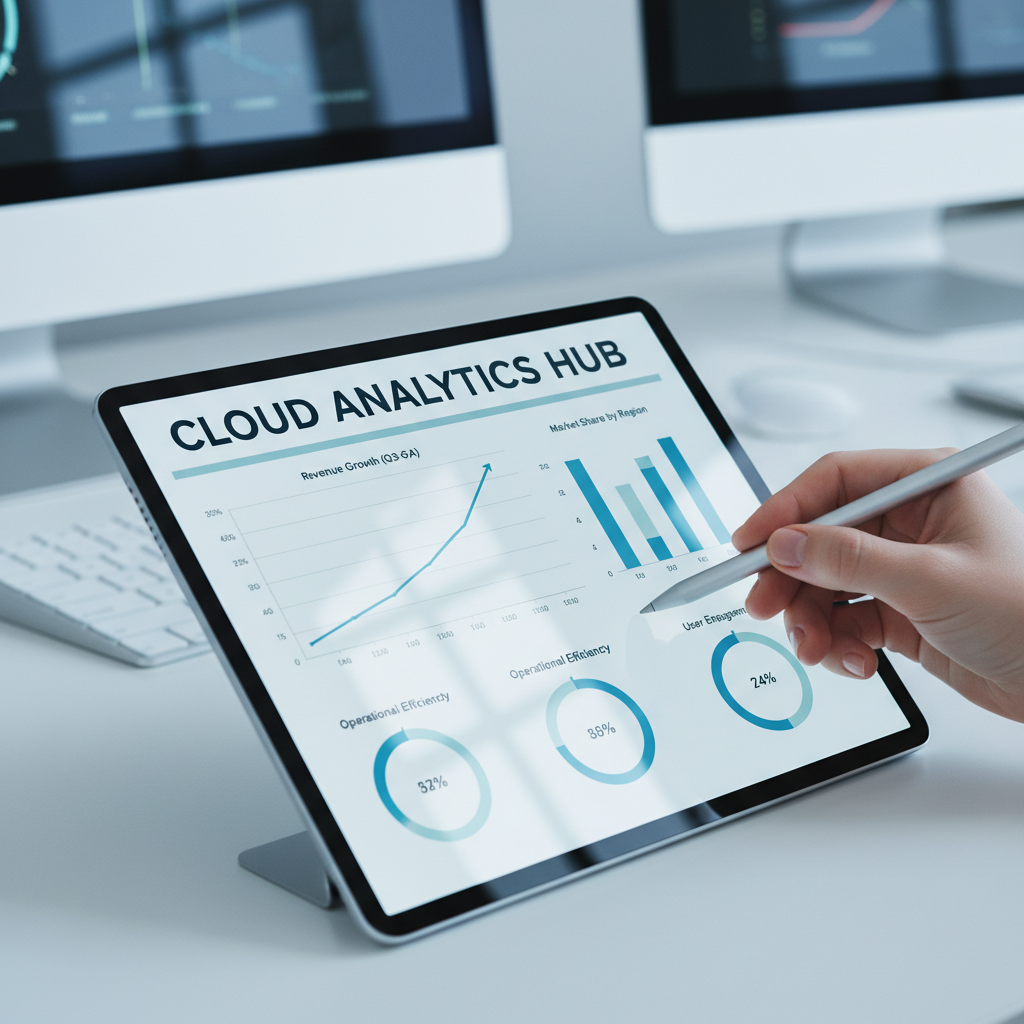
A cloud-based Building Management System is a platform that uses cloud technology to monitor and control various building operations, such as HVAC, lighting, and security. Unlike traditional BMS, which relies on on-site servers, cloud-based systems store and process data in the cloud, allowing for remote monitoring and control.
This approach not only enhances accessibility but also enables integration with other IoT devices and systems, creating a more connected and intelligent building environment. By providing real-time insights and alerts, cloud-based BMS systems empower facility managers to optimize energy usage and improve operational efficiency.

Key Features of Cloud-Based BMS Systems
Cloud-based BMS systems are equipped with several key features that distinguish them from traditional systems:
- Remote Access: Manage and monitor building operations from anywhere with an internet connection.
- Scalability: Easily scale the system to accommodate additional buildings or devices.
- Data Analytics: Leverage advanced analytics to make data-driven decisions.
- Integration: Seamlessly integrate with other smart building technologies.
These features make cloud-based BMS systems a versatile and future-proof solution for modern buildings, enhancing both performance and sustainability.
Benefits of Cloud-Based BMS Systems
The benefits of adopting a cloud-based BMS system are numerous. One of the most significant advantages is cost reduction. By eliminating the need for on-site servers and maintenance, organizations can significantly reduce their IT expenses.
Additionally, cloud-based systems offer enhanced security features, ensuring that sensitive data is protected through advanced encryption and regular updates. The ability to receive real-time alerts and insights also means quicker response times to any issues, minimizing downtime and enhancing operational efficiency.
Comparing Cloud-Based and Traditional BMS Systems
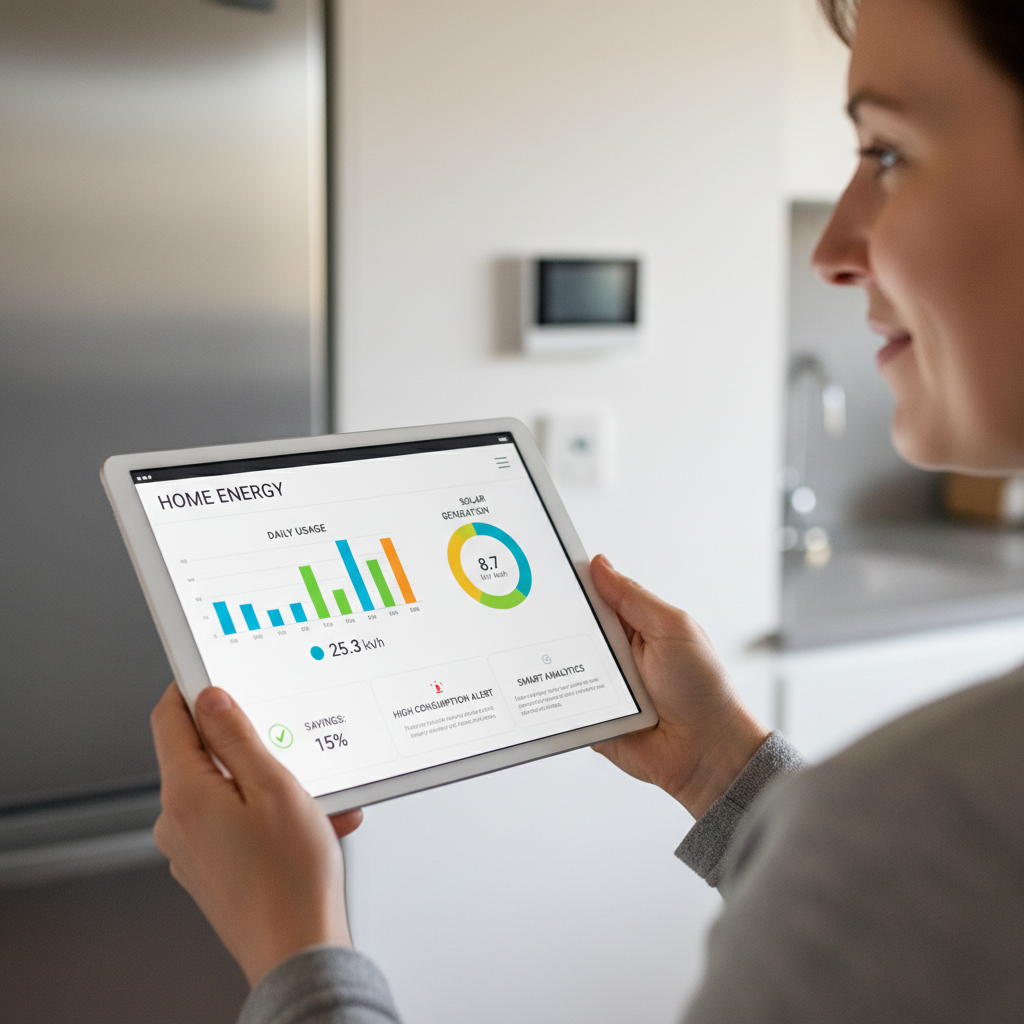
When comparing cloud-based and traditional BMS systems, several factors come into play. Traditional systems often require substantial upfront investment in hardware and ongoing maintenance, whereas cloud-based systems offer a subscription-based model that can be more cost-effective.
Furthermore, cloud-based systems provide greater flexibility and scalability, allowing businesses to adapt to changing needs without significant disruptions. However, it's essential to consider factors such as internet reliability and data privacy when transitioning to a cloud-based solution.
Choosing the Right Cloud-Based BMS System
Selecting the right cloud-based BMS system involves evaluating your building's specific needs and goals. Consider factors such as compatibility with existing infrastructure, ease of use, and the level of support offered by the provider. Engaging with a reputable vendor who can provide tailored solutions and ongoing support is crucial for a successful implementation.
Additionally, assessing the system's ability to integrate with other smart technologies and platforms can enhance its value and ensure a cohesive building management strategy.

Conclusion
Understanding cloud-based BMS systems is essential for anyone involved in building management. These systems offer a modern, efficient, and scalable solution for managing building operations, providing numerous benefits over traditional systems.
By embracing cloud technology, organizations can unlock new levels of efficiency and sustainability, positioning themselves for success in an increasingly connected world. Whether you're adopting cloud-based systems for the first time or looking to upgrade, this comprehensive guide serves as a foundation to make informed decisions.