
Understanding Building Management Systems: A Comprehensive Guide
Td
Introduction to Building Management Systems
Building Management Systems (BMS) are integral to modern architecture, providing centralized control and monitoring of a building’s essential systems. From heating and ventilation to security and lighting, a BMS offers a comprehensive solution for managing complex infrastructures efficiently. Understanding the components and benefits of these systems is crucial for building managers and stakeholders.

Core Components of a BMS
A typical BMS comprises several key components that work together to ensure the smooth operation of building functions. These include:
- Sensors: Detect changes in environmental conditions such as temperature, humidity, and light levels.
- Controllers: Process sensor data and make decisions based on predefined parameters.
- User Interfaces: Allow human operators to interact with the system, input data, and review system status.
Benefits of Implementing a BMS
Implementing a BMS offers numerous advantages. One of the most significant benefits is energy efficiency. By optimizing the use of heating, cooling, and lighting systems, a BMS can significantly reduce energy consumption and costs.
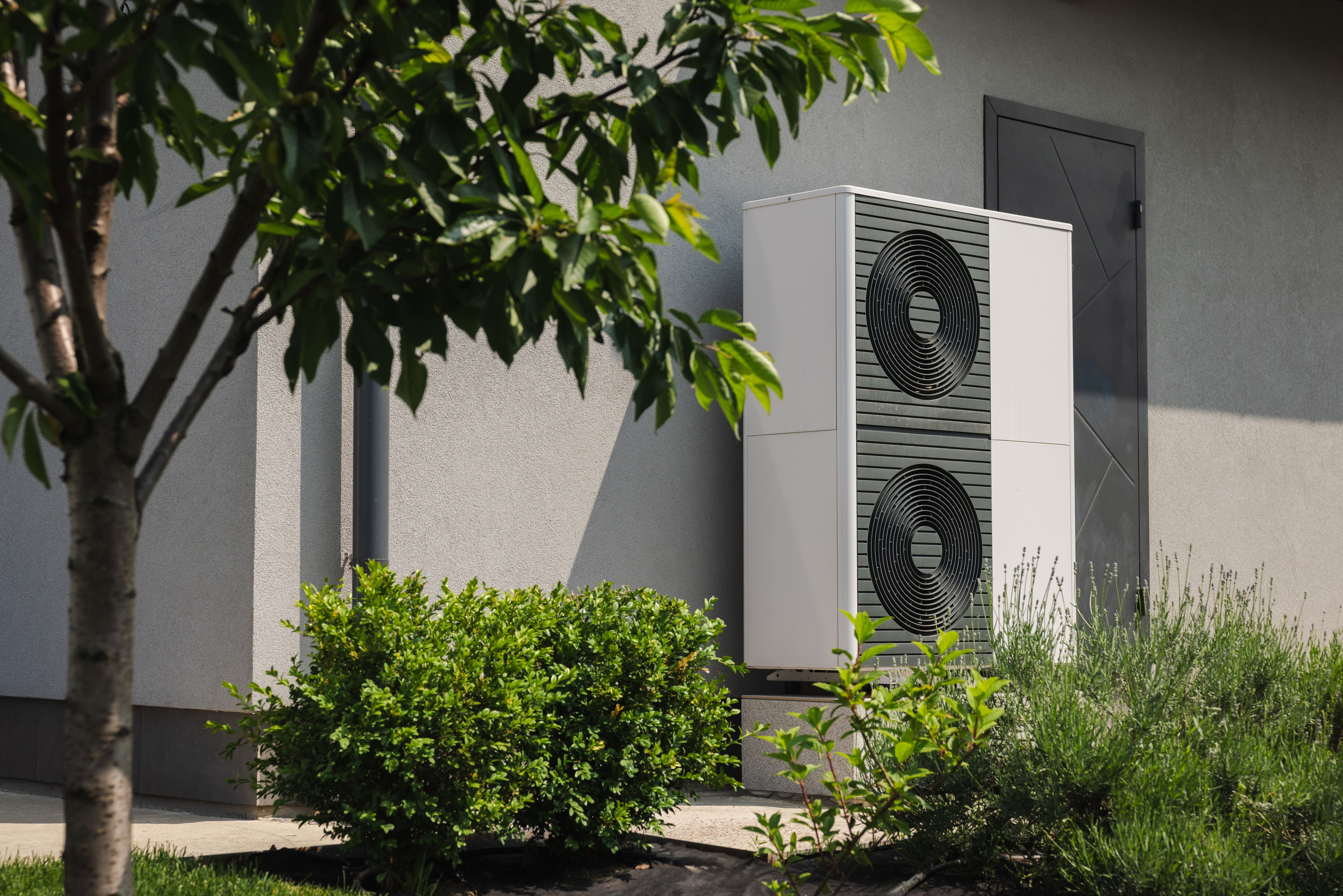
Another key benefit is improved occupant comfort. A well-tuned BMS ensures that indoor environments remain comfortable and conducive to productivity, automatically adjusting conditions based on occupancy and usage patterns.
Enhancing Security with BMS
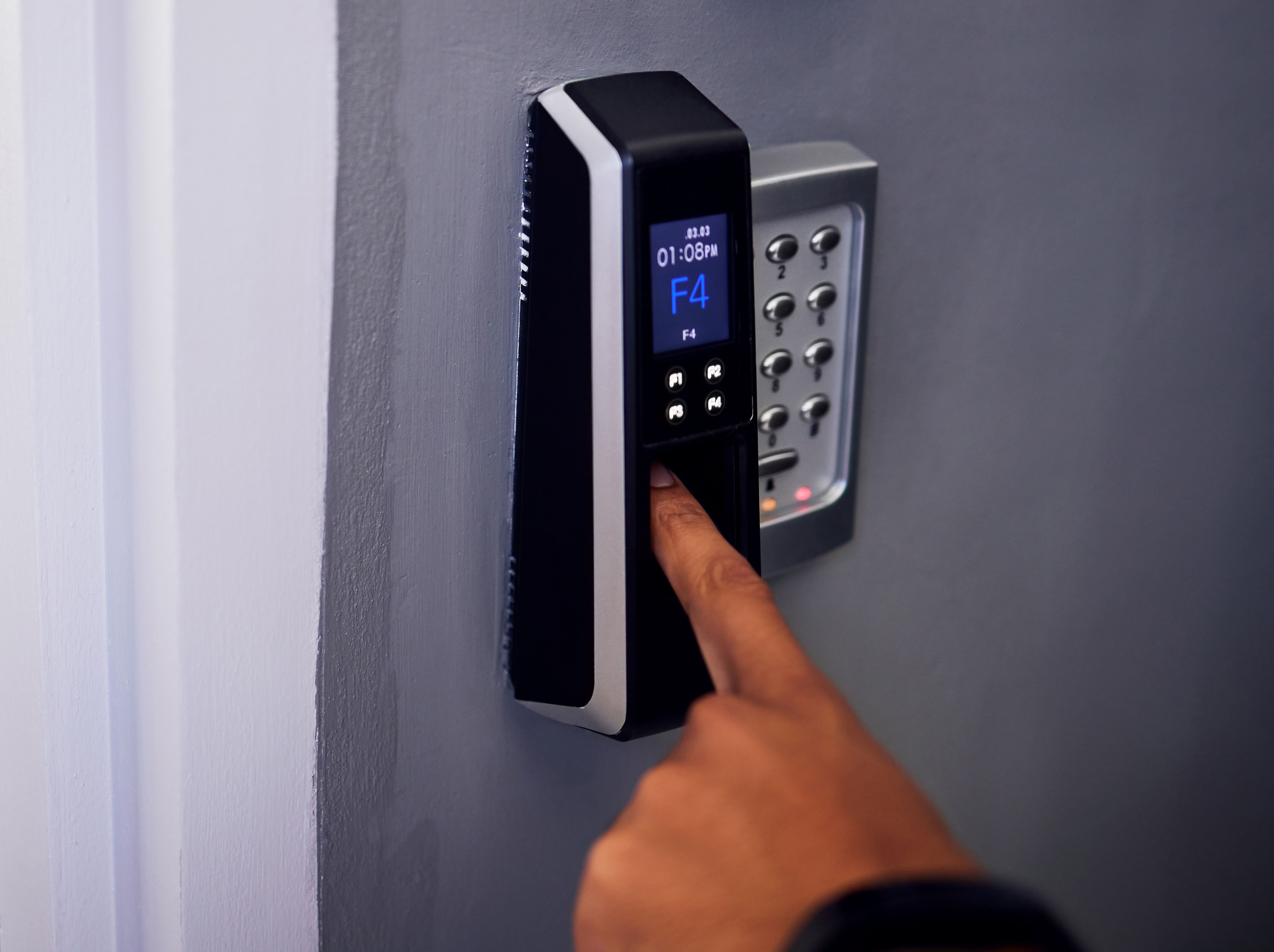
A BMS also plays a vital role in enhancing building security. By integrating with surveillance cameras, access control systems, and alarm mechanisms, a BMS provides comprehensive security management. It allows for real-time monitoring and swift responses to any potential threats.
Challenges in BMS Implementation
Despite its benefits, implementing a BMS can present challenges. Cost is often a major consideration, as installation and maintenance can be expensive. Additionally, the complexity of integrating various systems can require specialized knowledge and skills.
Future Trends in Building Management Systems
The future of BMS is closely linked with advancements in technology. The integration of IoT (Internet of Things) devices and AI (Artificial Intelligence) is paving the way for smarter, more responsive systems. These technologies enable predictive maintenance and more sophisticated data analysis, leading to further efficiency gains.

Conclusion
Understanding Building Management Systems is essential for anyone involved in the construction and management of modern buildings. By providing comprehensive control over a building’s functions, a BMS enhances efficiency, comfort, and security. As technology continues to evolve, these systems will only become more integral to our built environments.