
Understanding BMS Systems: Benefits and Uses in the Netherlands
Td
Understanding BMS Systems
Building Management Systems (BMS) have become an integral part of modern infrastructure, especially in the Netherlands, where sustainability and efficiency are highly prioritized. A BMS is a computer-based control system installed in buildings to manage and monitor mechanical and electrical equipment such as ventilation, lighting, power systems, fire systems, and security systems.
By integrating various building operations, BMS systems provide comprehensive management solutions that enhance the comfort, safety, and efficiency of building occupants. Their role in reducing energy consumption and operational costs is increasingly recognized across different sectors.
Benefits of BMS Systems
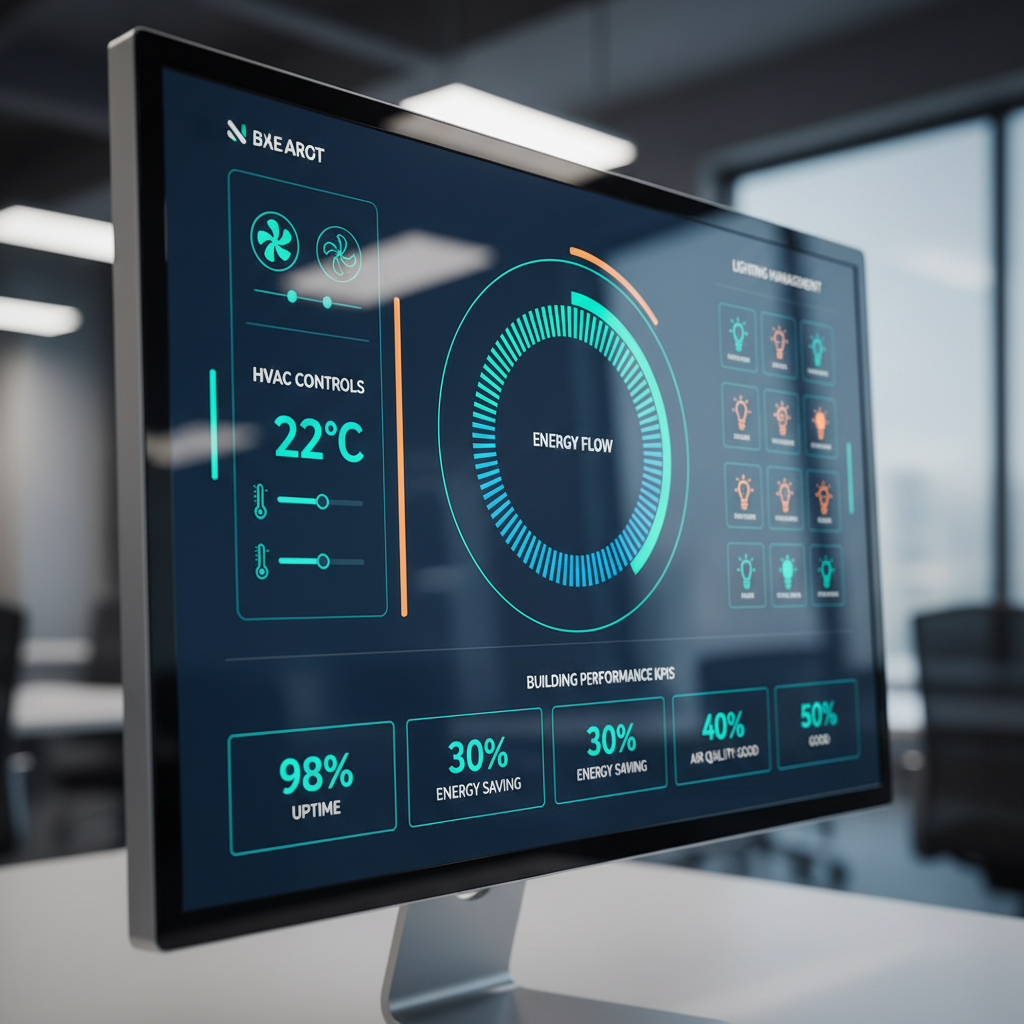
The benefits of implementing a BMS are multifaceted. One of the primary advantages is the significant reduction in energy consumption. By optimizing the performance of HVAC and lighting systems, BMS can lead to substantial energy savings. This not only reduces operational costs but also contributes to environmental conservation efforts.
Another critical benefit is the improvement of indoor environmental quality. BMS systems ensure that heating, cooling, and ventilation are adjusted to maintain optimal indoor conditions, which enhances the comfort and productivity of occupants. Additionally, these systems improve building safety by integrating fire alarms and security systems, providing peace of mind to both building owners and users.
BMS Uses in the Netherlands
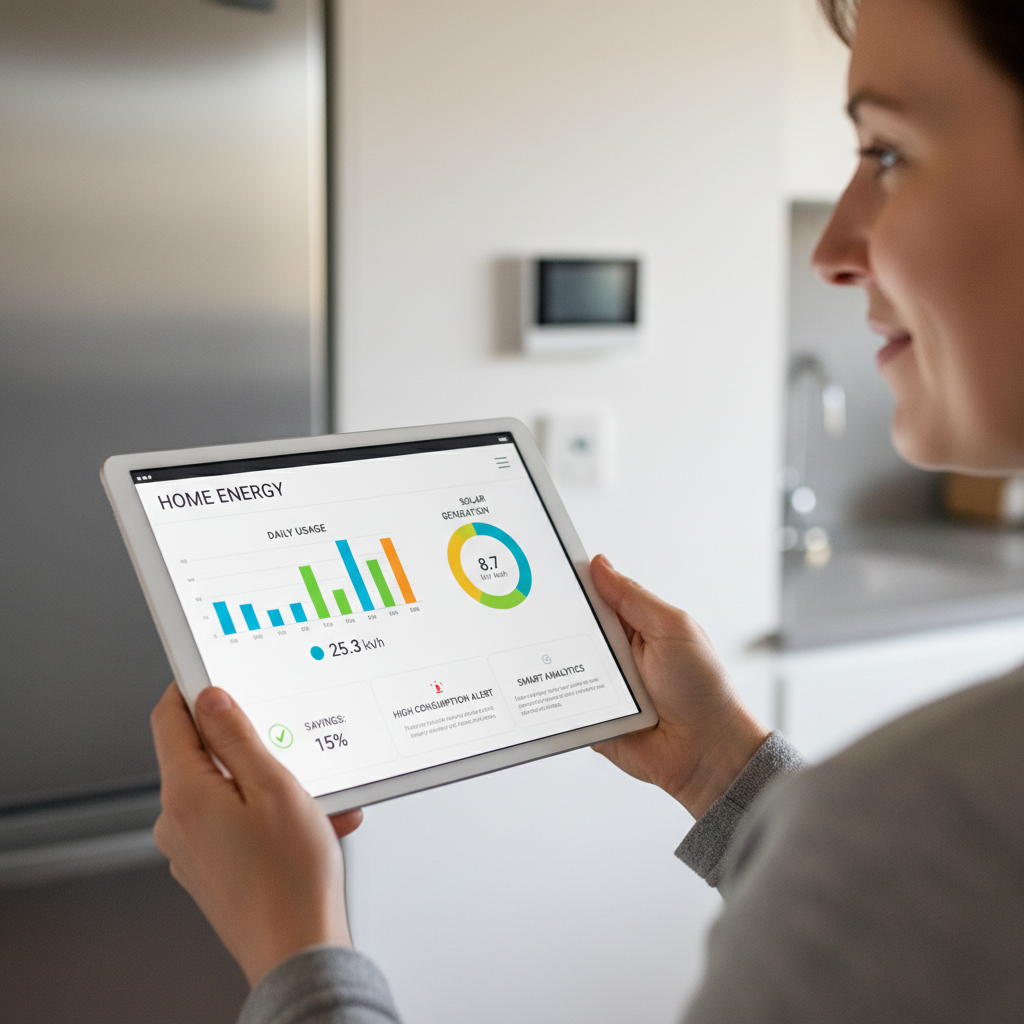
In the Netherlands, BMS systems are widely used in commercial buildings, hospitals, and educational institutions. These systems are vital in achieving the country's ambitious sustainability goals. For instance, many Dutch buildings are aiming to be energy-neutral, and BMS technologies play a crucial role in this transition.
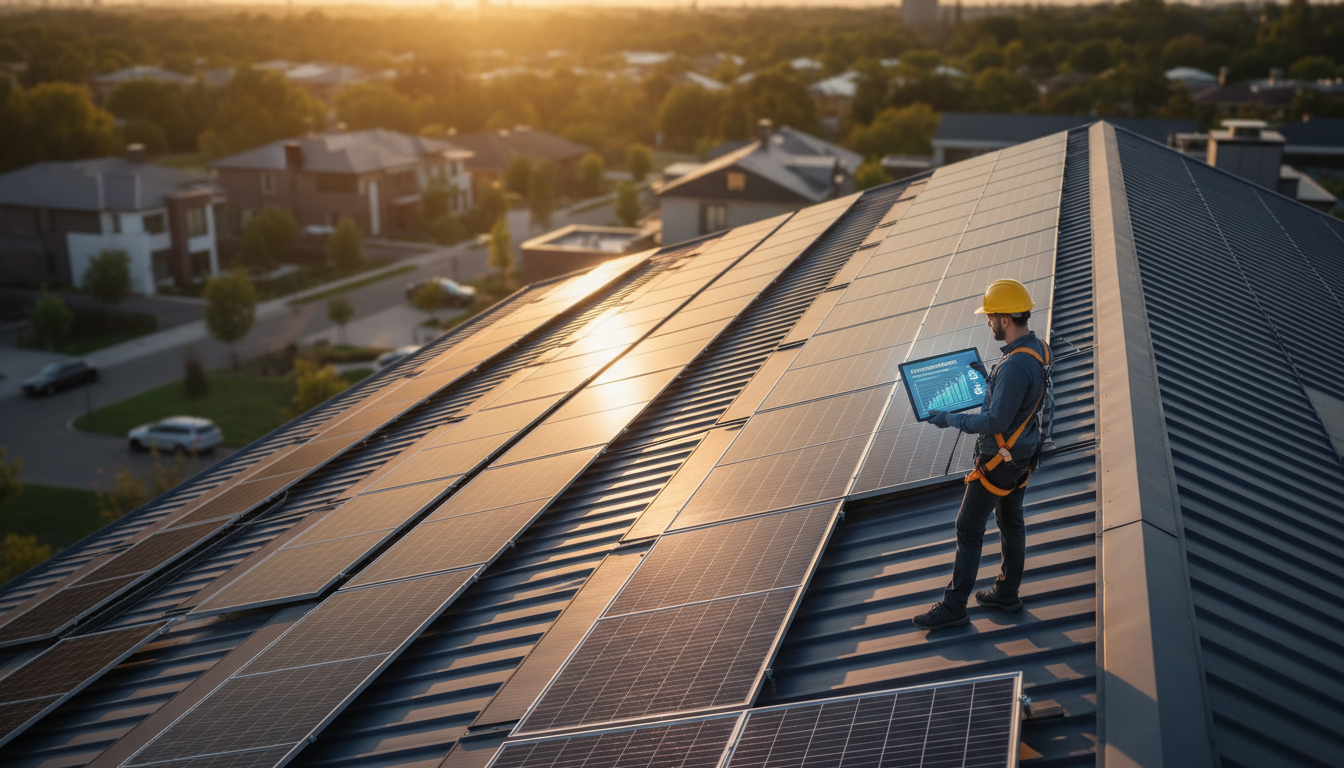
The integration of renewable energy sources, such as solar panels, is also facilitated by BMS systems. By efficiently managing energy flows and storage, BMS helps to maximize the use of renewable energy, further reducing reliance on fossil fuels.
Future of BMS in the Netherlands
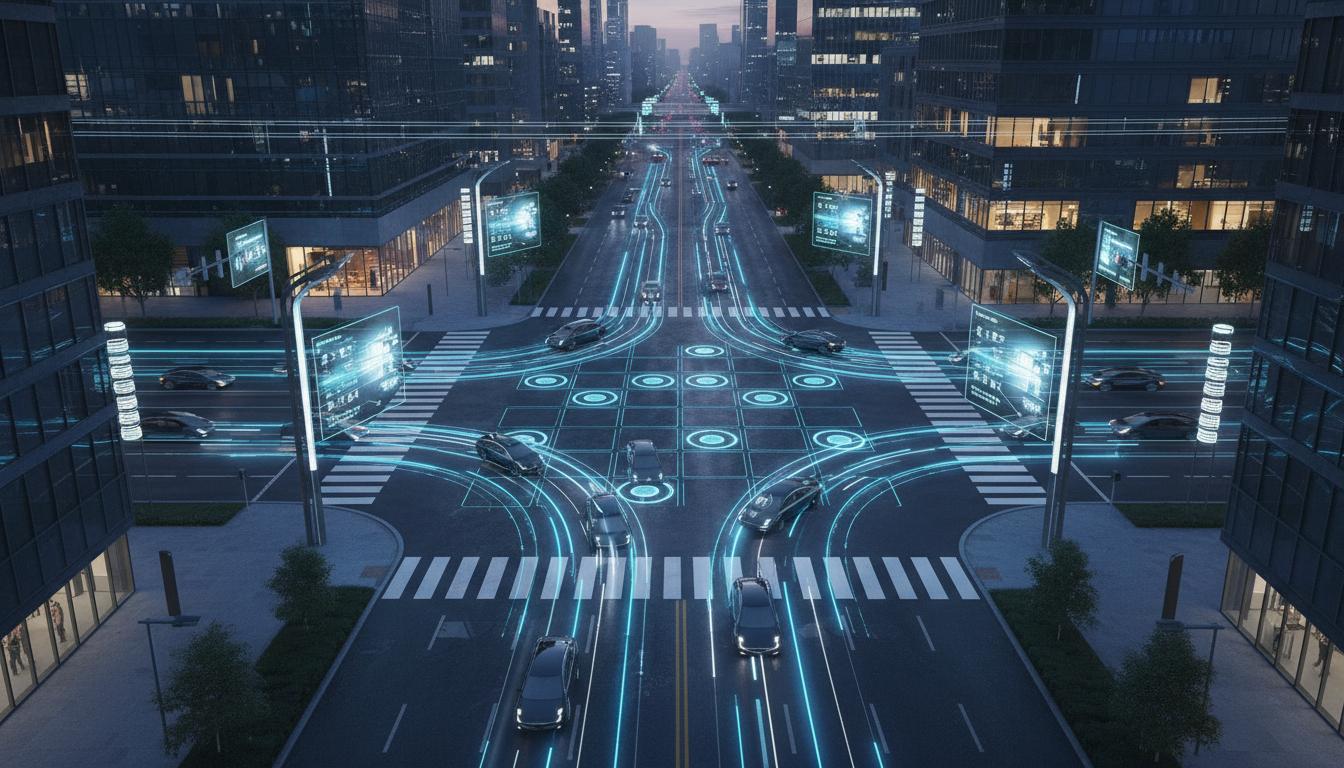
The future of BMS in the Netherlands looks promising, with advancements in technology driving further innovation. The integration of IoT (Internet of Things) and AI (Artificial Intelligence) into BMS systems is paving the way for even more sophisticated management solutions. These technologies enable predictive maintenance, real-time monitoring, and advanced analytics, which can transform the way buildings are managed.
Moreover, the Dutch government's commitment to smart city initiatives is likely to boost the adoption of BMS systems. By promoting the use of smart technologies, the Netherlands is setting an example for sustainable urban development.
Conclusion
Understanding the benefits and uses of BMS systems is essential for anyone involved in building management and development in the Netherlands. As the country continues to lead in sustainability efforts, the adoption of BMS systems will undoubtedly play a significant role in achieving these goals.
With ongoing technological advancements and a strong focus on sustainability, the future of BMS systems in the Netherlands is bright. As more buildings incorporate these systems, the benefits will extend beyond energy savings, contributing to a more sustainable and efficient built environment.