Understanding BMS Systems: Benefits and Uses in the Netherlands
Td
Understanding BMS Systems: An Overview
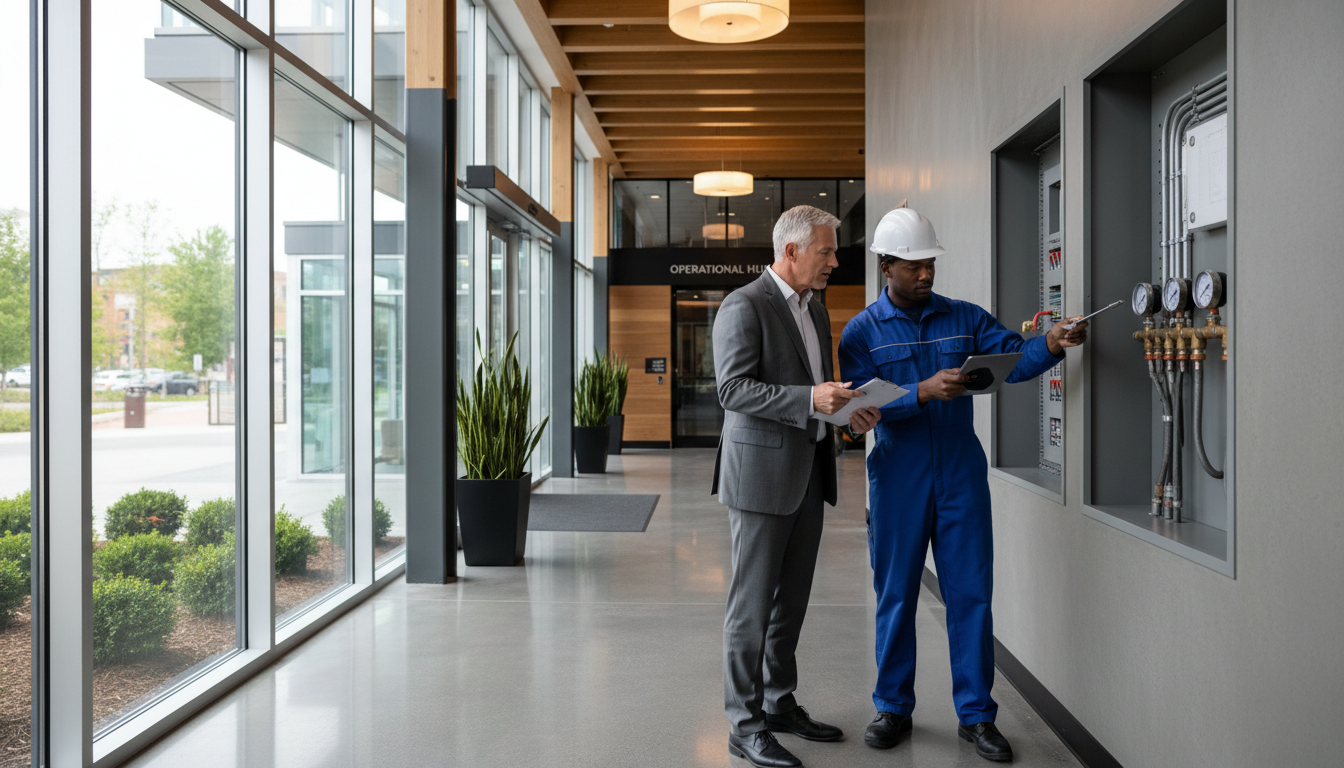
Building Management Systems (BMS) are integral to modern facilities, providing a centralized platform for monitoring and controlling various building operations. In the Netherlands, the adoption of BMS is on the rise, driven by the demand for efficiency and sustainability. These systems enhance the operational efficiency of buildings while reducing energy consumption and operational costs.
A BMS integrates different systems like HVAC, lighting, security, and energy management into a single framework. This integration facilitates seamless communication between different components, allowing for real-time monitoring and control. The result is a smarter, more responsive environment that supports both occupant comfort and operational goals.
Key Benefits of BMS Systems
Energy Efficiency
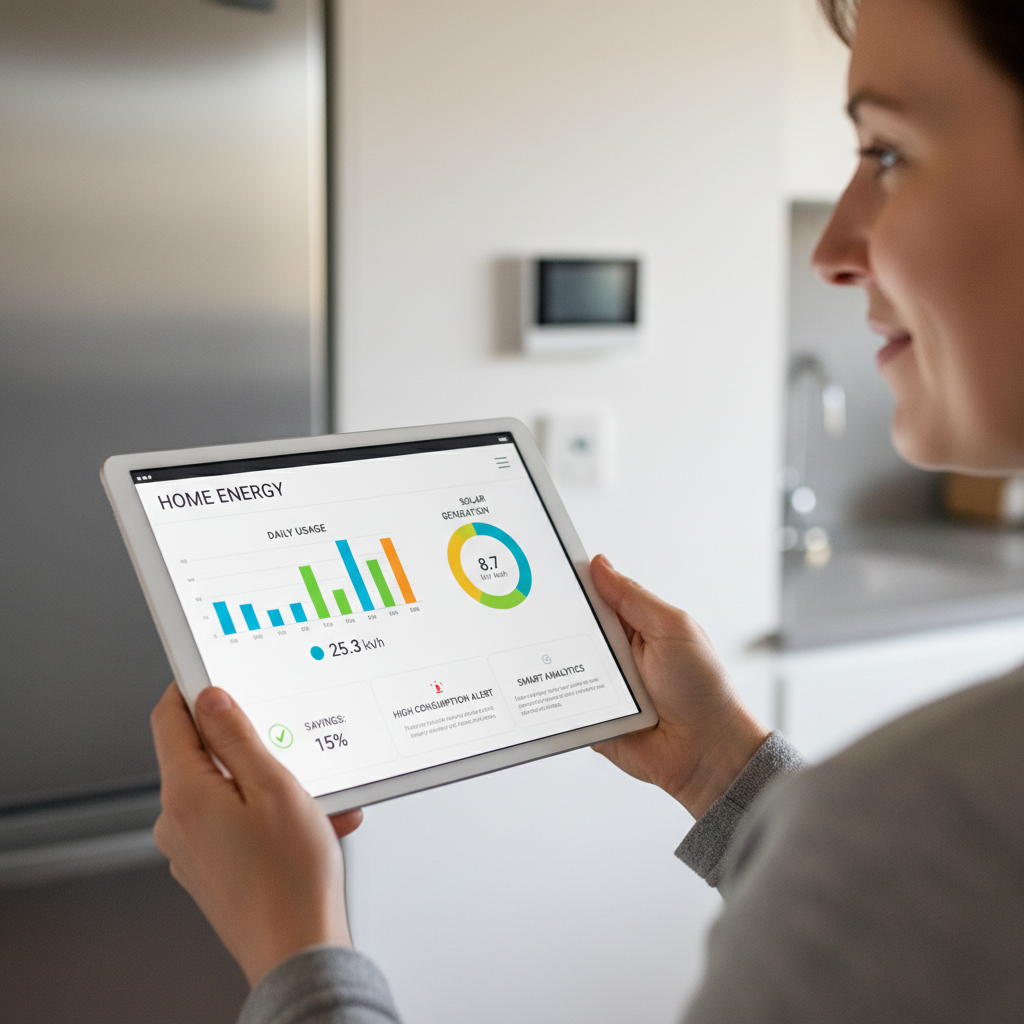
One of the primary benefits of BMS systems is their ability to significantly improve energy efficiency. By intelligently managing resources, these systems ensure that energy is used optimally. For instance, a BMS can adjust lighting and temperature based on occupancy levels and time of day, leading to substantial energy savings.
In the Netherlands, where sustainability is a key focus, BMS systems play a crucial role in achieving energy targets. They help reduce the carbon footprint of buildings, contributing to national and EU-wide environmental goals.
Cost Savings
Implementing a BMS can lead to considerable cost savings. By optimizing energy use and enhancing the lifespan of equipment through proactive maintenance, operational costs are reduced. Additionally, a BMS can identify inefficiencies and potential issues before they escalate, minimizing unexpected expenses.
Applications of BMS in the Netherlands
Commercial Buildings
In commercial settings, BMS systems are used to enhance tenant comfort while maintaining operational efficiency. They provide centralized control over various building systems, ensuring that energy is used judiciously and costs are kept in check. This is particularly beneficial in large office complexes and shopping centers.

Industrial Facilities
Industrial facilities in the Netherlands leverage BMS for more than just energy management. These systems help in monitoring production environments, ensuring that conditions remain optimal for both equipment and personnel. By integrating with other industrial control systems, BMS enhances productivity and safety.
Future of BMS Systems
The future of BMS in the Netherlands looks promising, with advancements in technology paving the way for even smarter systems. The integration of IoT and AI allows for predictive analytics, enabling BMS to anticipate needs and adjust operations proactively.
As the country continues to prioritize sustainability and innovation, BMS systems will undoubtedly play a pivotal role in shaping the built environment. Their ability to enhance efficiency, reduce costs, and support environmental goals makes them indispensable in modern building management.