
Understanding BACnet Protocol: Enhancing Building Automation Systems
Td
Introduction to BACnet Protocol
Building Automation and Control Network, or BACnet, is a data communication protocol for building automation and control systems. It was developed by the American Society of Heating, Refrigerating, and Air-Conditioning Engineers (ASHRAE) to ensure interoperability between different systems such as HVAC, lighting, and security. This protocol is crucial for enhancing efficiency and reducing operational costs in modern buildings.
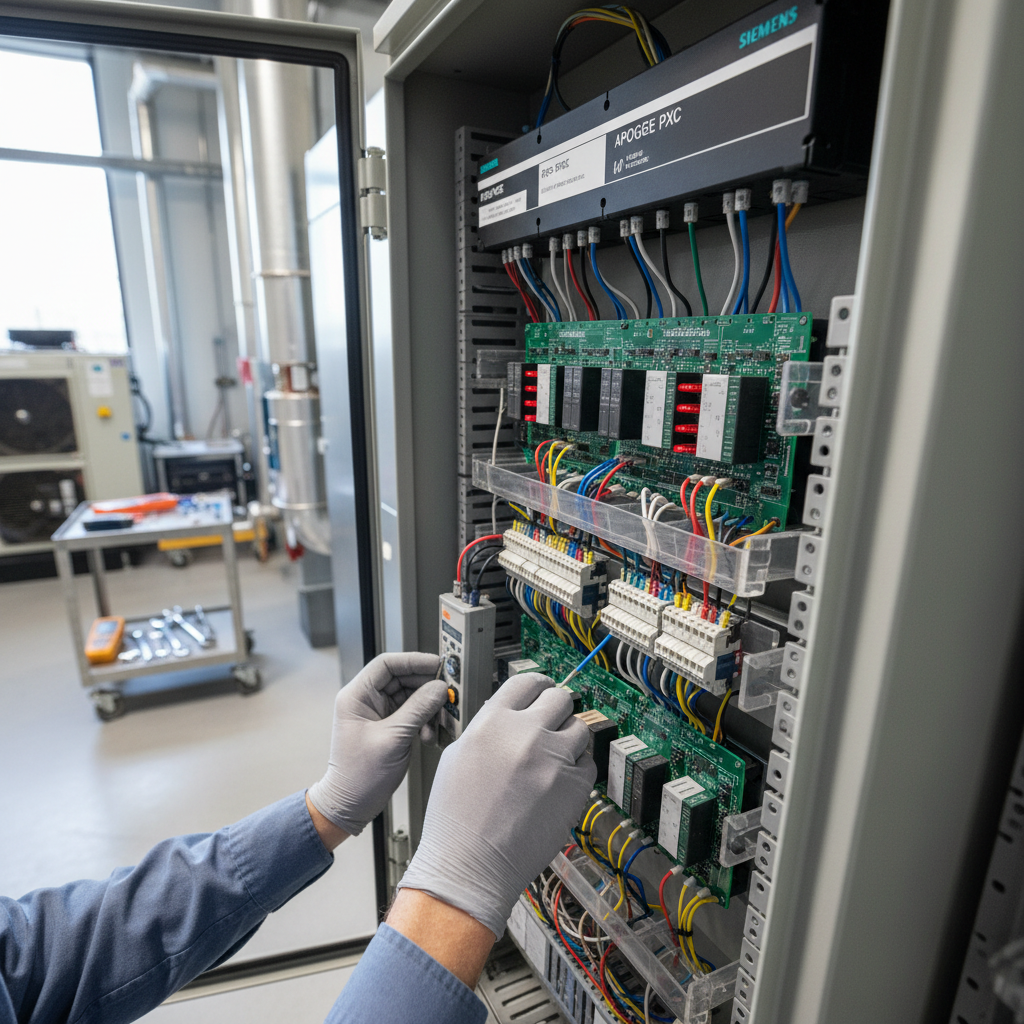
Benefits of BACnet in Building Automation
One of the primary advantages of BACnet is its ability to integrate various building systems seamlessly. This integration allows for centralized control and monitoring, leading to improved efficiency and comfort. Additionally, BACnet supports a wide range of devices from different manufacturers, ensuring flexibility and scalability in building automation projects.
With BACnet, building managers can easily access system data, enabling proactive maintenance and prompt troubleshooting. This capability reduces downtime and extends the lifespan of equipment, which is economically beneficial in the long run.
Interoperability and Flexibility
The interoperability of BACnet allows devices from various manufacturers to communicate effectively, making it easier to upgrade or expand systems without compatibility issues. This flexibility is a significant advantage for building owners who wish to implement new technologies without overhauling existing systems.

Understanding the Technical Aspects of BACnet
BACnet is designed to be a robust protocol that can operate over different types of networks, including Ethernet, ARCNET, and LonTalk. It uses a client-server architecture, where devices can function as both clients and servers, enabling efficient data exchange.
The protocol supports several data link layers, which allows it to be adapted to different network environments. This adaptability is crucial for implementing BACnet in diverse building types, from small offices to large industrial complexes.
Data Sharing and Communication
One of BACnet's strengths is its ability to share data efficiently among devices. It uses a standardized method of data representation, which ensures that all systems can understand and process the information correctly. This standardization is key to maintaining system reliability and consistency.

Implementing BACnet in Existing Systems
Integrating BACnet into existing building automation systems can seem daunting, but it offers many long-term benefits. The process involves evaluating current systems, identifying compatible components, and designing a migration path that minimizes disruptions.
Working with experienced professionals can ensure a smooth transition to BACnet, allowing building owners to leverage the full potential of their automation systems. This integration often results in improved energy efficiency and lower operational costs.
Future of BACnet Protocol
As technology advances, BACnet continues to evolve, incorporating new features and capabilities to meet the demands of smart buildings. Emerging trends such as the Internet of Things (IoT) and cloud computing are influencing the development of BACnet, making it even more relevant in today’s digital age.
In conclusion, understanding and implementing BACnet protocol is essential for enhancing building automation systems. Its benefits, including interoperability, flexibility, and efficient data sharing, make it a crucial component of modern building management.