
Top Benefits of Cloud-Based BMS Systems for Modern Buildings
Td
Introduction to Cloud-Based BMS Systems
In today's rapidly evolving technological landscape, building management systems (BMS) are becoming increasingly sophisticated. One of the most significant advancements in this area is the advent of cloud-based BMS systems. These systems are revolutionizing how modern buildings are managed, providing numerous benefits that enhance efficiency, security, and sustainability.
Enhanced Accessibility and Control
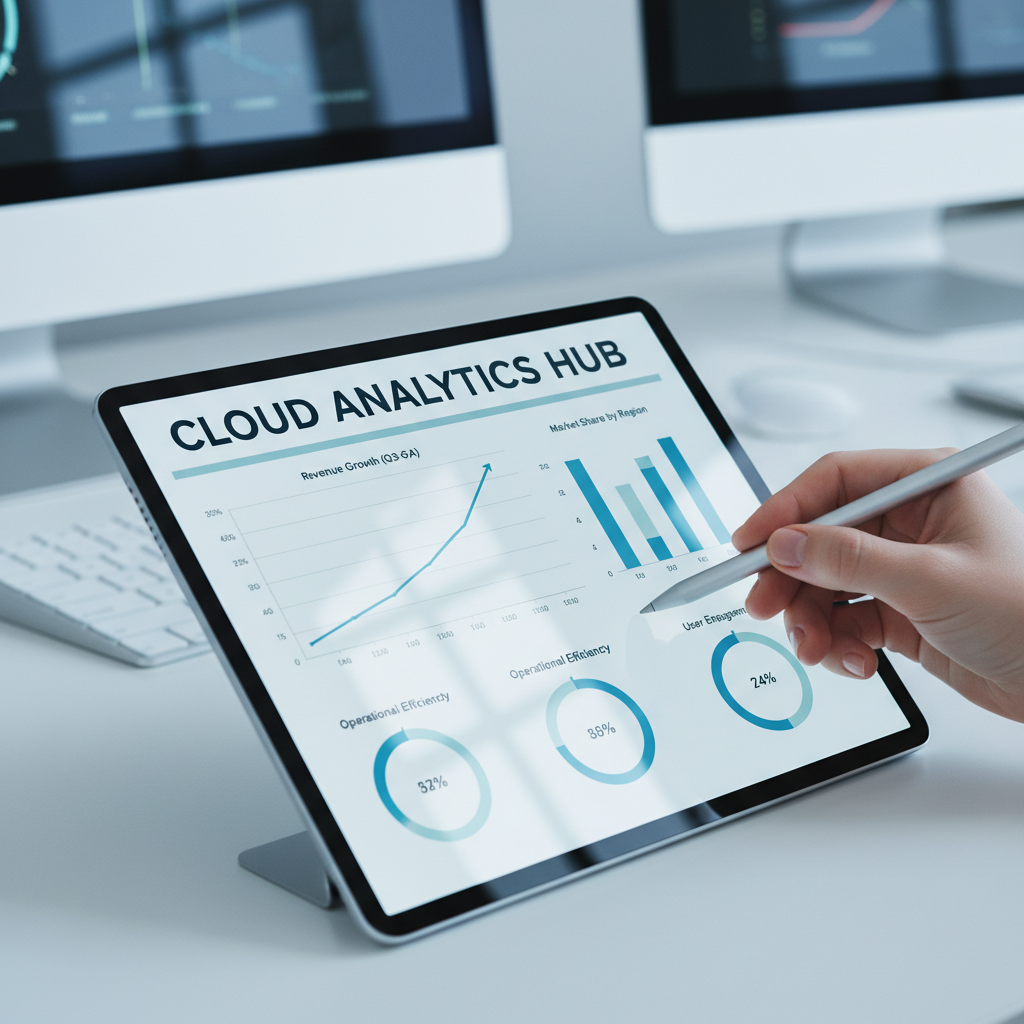
A major advantage of cloud-based BMS systems is enhanced accessibility. Facility managers can access building data from anywhere in the world, using any device with an internet connection. This remote access allows for real-time monitoring and control, which is essential for prompt decision-making and issue resolution.
Furthermore, cloud-based systems offer a centralized platform, providing a unified interface to manage all aspects of building operations, from HVAC systems to lighting and security. This comprehensive approach streamlines management processes and reduces the need for multiple, disparate systems.
Improved Energy Efficiency
Cloud-based BMS systems play a crucial role in improving a building’s energy efficiency. With advanced data analytics, these systems can identify patterns and trends in energy usage, enabling facility managers to make informed decisions about energy conservation. This not only helps in reducing operational costs but also supports sustainability initiatives.
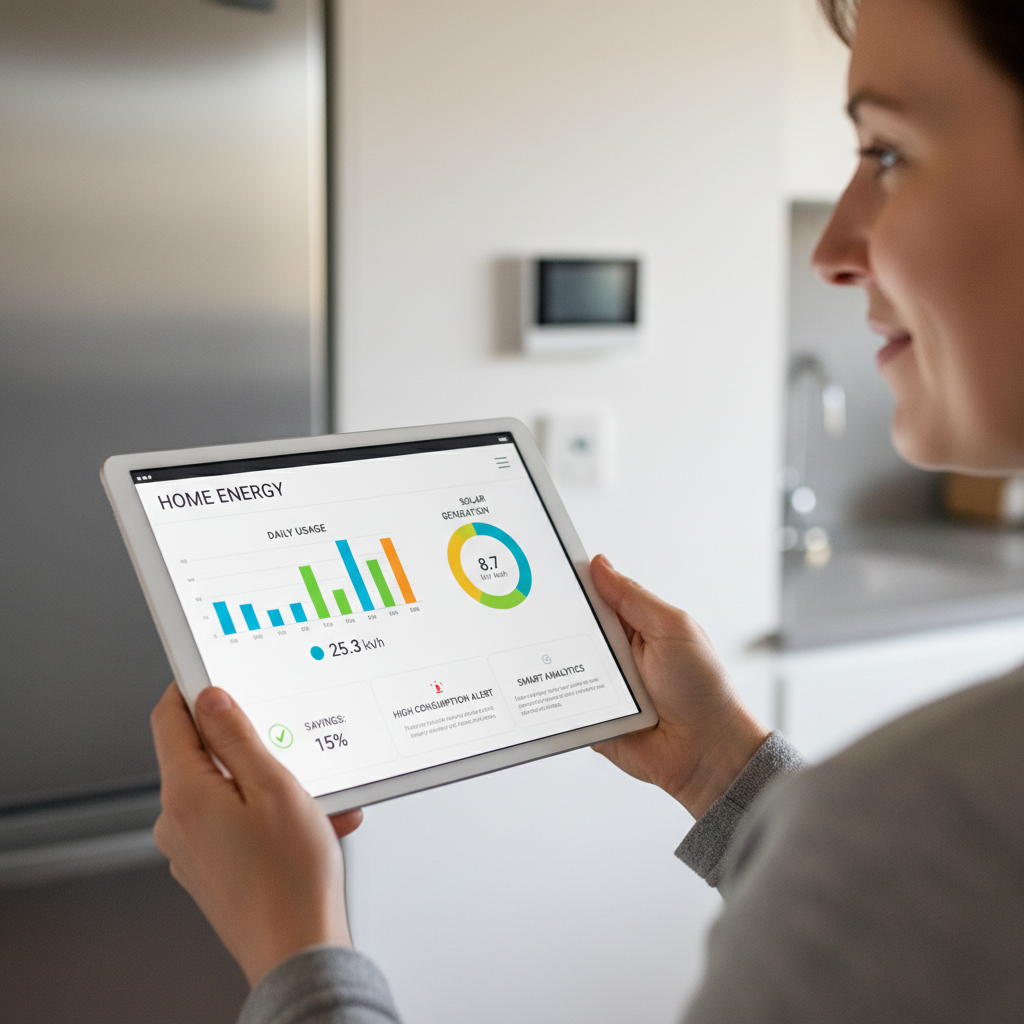
Additionally, predictive maintenance features in cloud-based BMS systems help anticipate equipment failures before they occur. By addressing potential issues proactively, buildings can maintain optimal performance while minimizing energy waste.
Scalability and Flexibility
One of the standout benefits of cloud-based BMS systems is their scalability. As a building's needs grow or change, these systems can easily be adapted or expanded without the need for significant infrastructure changes. This flexibility is particularly advantageous for large enterprises managing multiple facilities, as it allows for seamless integration across different locations.
Moreover, the subscription-based model of many cloud-based systems means that updates and new features can be implemented swiftly, ensuring that the system remains up-to-date with the latest technological advancements.
Enhanced Security Measures
Security is a top priority for any building management system, and cloud-based solutions are equipped with robust security features. These systems often include encrypted data transmission, user authentication protocols, and continuous security updates to protect against cyber threats.
By leveraging cloud technology, building managers can ensure that sensitive information is safeguarded, while also enjoying the peace of mind that comes with automated backups and disaster recovery solutions.
Cost-Effectiveness
Implementing a cloud-based BMS system can be a cost-effective choice for building management. By reducing the need for on-site hardware and IT personnel, these systems can significantly lower upfront and ongoing expenses. Furthermore, the ability to optimize energy use and prevent costly equipment failures contributes to long-term financial savings.
In conclusion, cloud-based BMS systems offer a multitude of benefits for modern buildings. From enhanced accessibility and improved energy efficiency to scalability and security, these systems are a vital component in the future of building management.