
The Role of Ethernet and Fiber in Modern Data Centers
Td
Introduction to Ethernet and Fiber
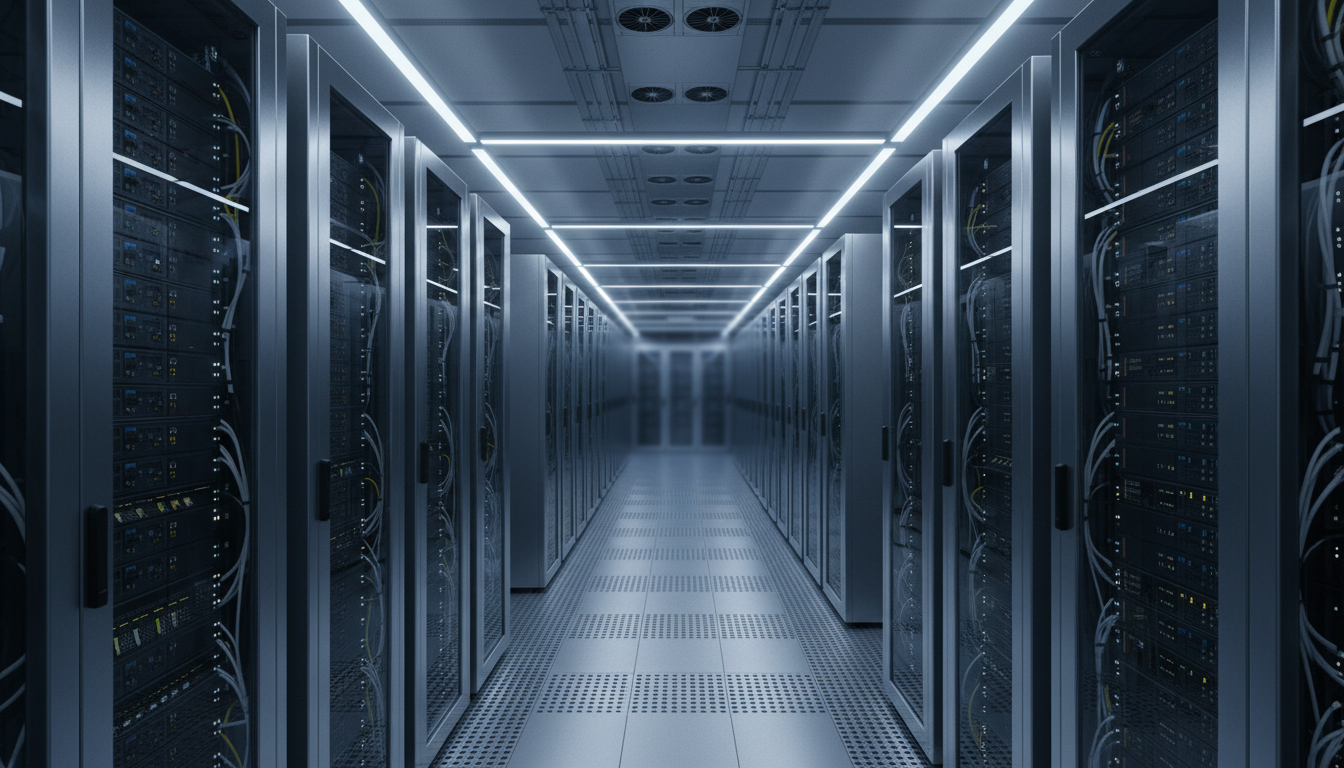
In today’s rapidly evolving digital landscape, data centers play a crucial role in supporting the vast array of online services we rely on. At the heart of these data centers are networking technologies like Ethernet and fiber optics. Both are essential for ensuring seamless data transmission, but they serve different purposes and have unique advantages.
Ethernet and fiber optic technologies are integral in the infrastructure of modern data centers. Understanding their roles can help businesses optimize their data management strategies, ensuring efficiency and reliability in data handling.
The Role of Ethernet in Data Centers
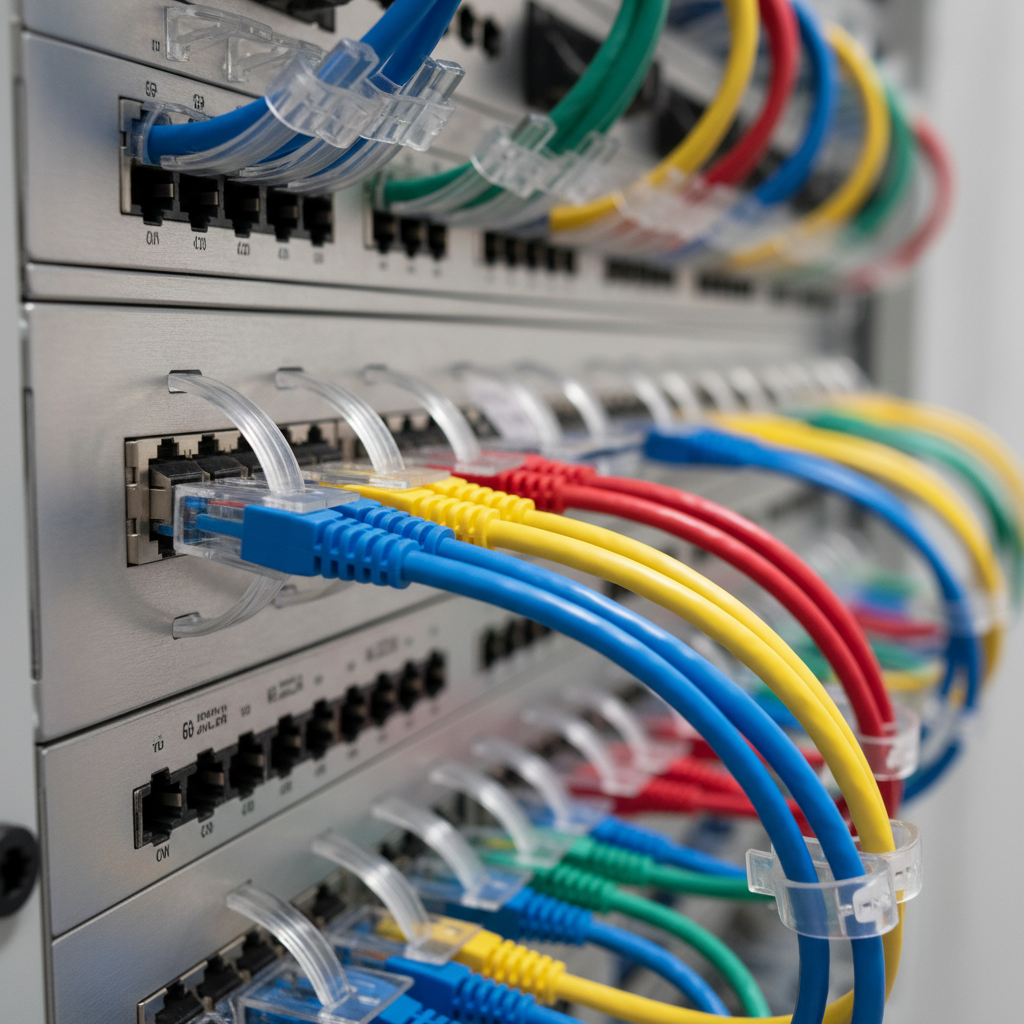
Ethernet technology has been the backbone of networking for decades. It is widely used in data centers for its cost-effectiveness, reliability, and ease of deployment. Ethernet cables connect various devices within the data center, allowing for efficient data transfer and communication between servers, storage, and networking equipment.
Scalability is one of Ethernet's significant advantages. With advancements like Gigabit Ethernet and 10 Gigabit Ethernet, data centers can easily scale their operations to meet increasing demands. Ethernet also supports a variety of network topologies, providing flexibility in network design.
Ethernet Standards
Ethernet technology continues to evolve, with new standards emerging to meet the demands of modern data transfer. IEEE 802.3 is the standard that governs Ethernet, and it has seen numerous updates to improve speed and efficiency.
Fiber Optics: Enhancing Data Transmission
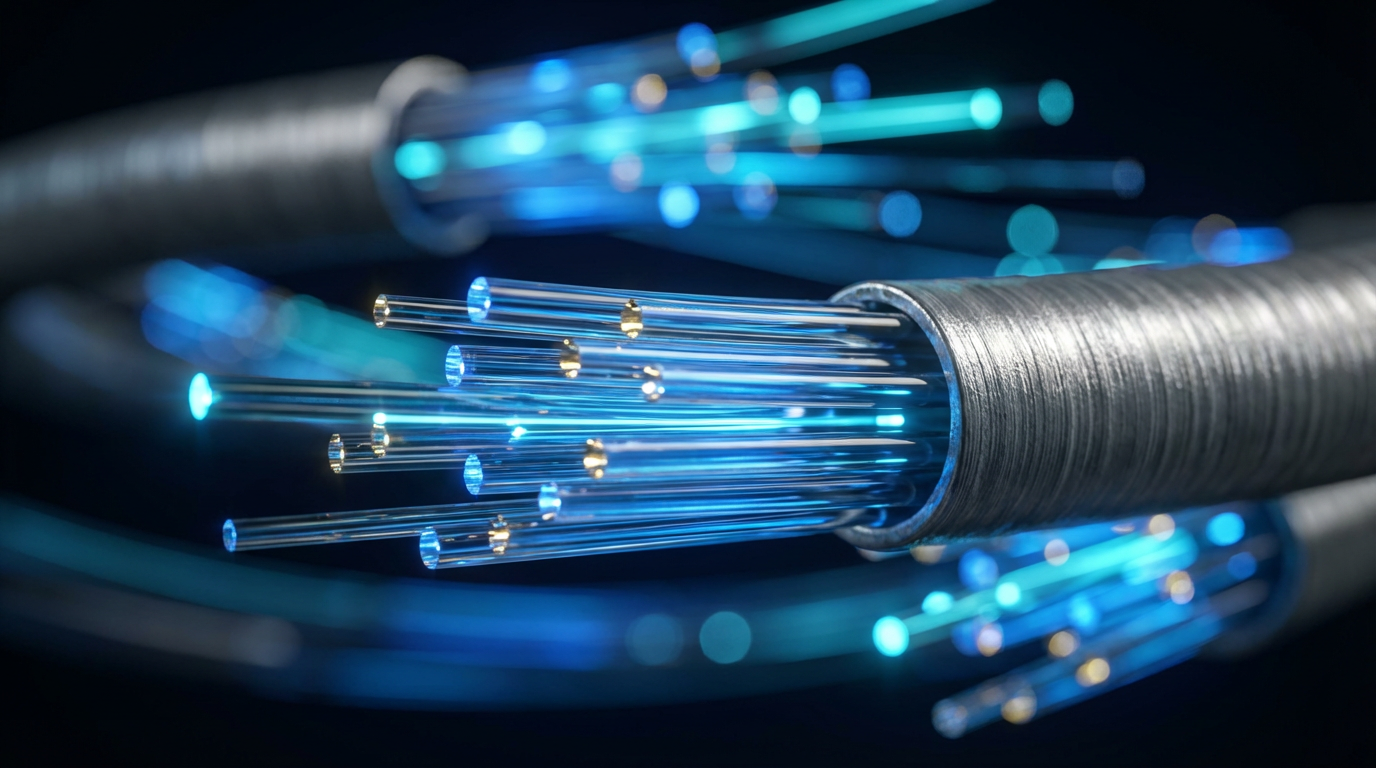
Fiber optic technology is renowned for its ability to transmit data over long distances with minimal loss. It uses light to carry information, which enables faster data transmission compared to traditional copper cables. Fiber optics are crucial in data centers that require high-speed connections and large bandwidth.
One of the key benefits of fiber optics is its ability to support high data rates, making it ideal for connecting data centers over long distances. This capability is essential for organizations with multiple data center locations, allowing for seamless integration and data sharing.
Types of Fiber Optic Cables
There are two main types of fiber optic cables: single-mode and multi-mode. Single-mode fibers are used for long-distance transmissions, while multi-mode fibers are suitable for shorter distances. Choosing the right type depends on the specific needs of the data center.
Comparing Ethernet and Fiber
While both Ethernet and fiber optics are vital, they serve different purposes in a data center. Ethernet is typically used for short-range connections within the data center, whereas fiber optics are employed for high-speed, long-distance connections.
The choice between Ethernet and fiber optics often comes down to cost, speed, and distance. Ethernet is generally more cost-effective for short distances, while fiber optics offer superior speed and performance for longer connections.
Conclusion
Understanding the roles of Ethernet and fiber optics in data centers is essential for optimizing network infrastructure. By leveraging the strengths of each technology, businesses can enhance their data handling capabilities, ensuring they are well-equipped to meet the demands of the digital age.
As data centers continue to evolve, the integration of both Ethernet and fiber optics will remain crucial. Staying informed about these technologies will help in making strategic decisions that support growth and efficiency.