
The Future of Smart Building Technology in Delft
Td
Introduction to Smart Building Technology
Smart building technology is transforming urban landscapes worldwide, and Delft is no exception. As a hub of innovation and sustainability, this Dutch city is poised to lead the way in integrating cutting-edge solutions into its infrastructure. The future of smart buildings in Delft promises increased efficiency, comfort, and environmental responsibility.
Smart buildings leverage advanced technologies to optimize energy use, enhance security, and improve overall living and working experiences. In Delft, these technologies are not just futuristic concepts but are becoming an integral part of modern architecture and urban planning.
Energy Efficiency and Sustainability
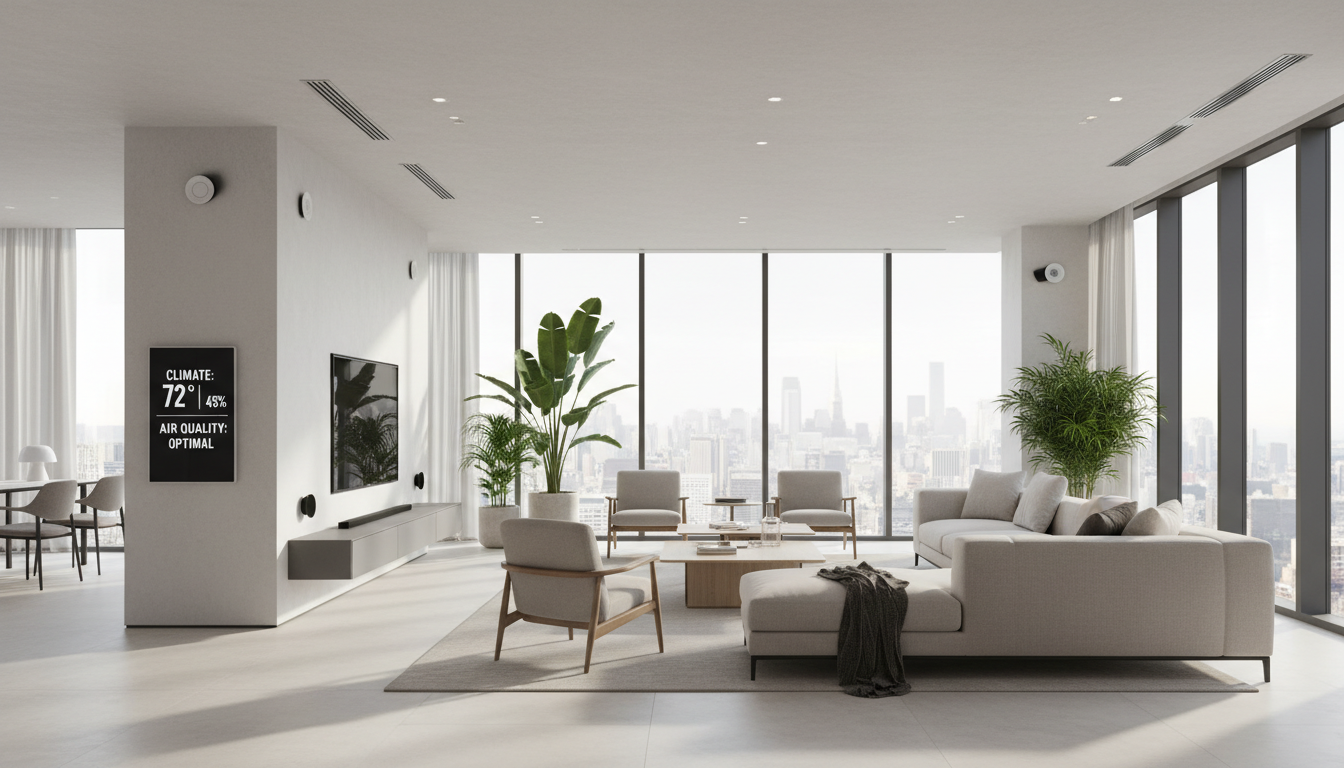
One of the primary drivers of smart building technology is the need for energy efficiency. In Delft, buildings equipped with smart sensors and systems can significantly reduce energy consumption. These technologies monitor and adjust lighting, heating, and cooling systems based on occupancy and environmental conditions.
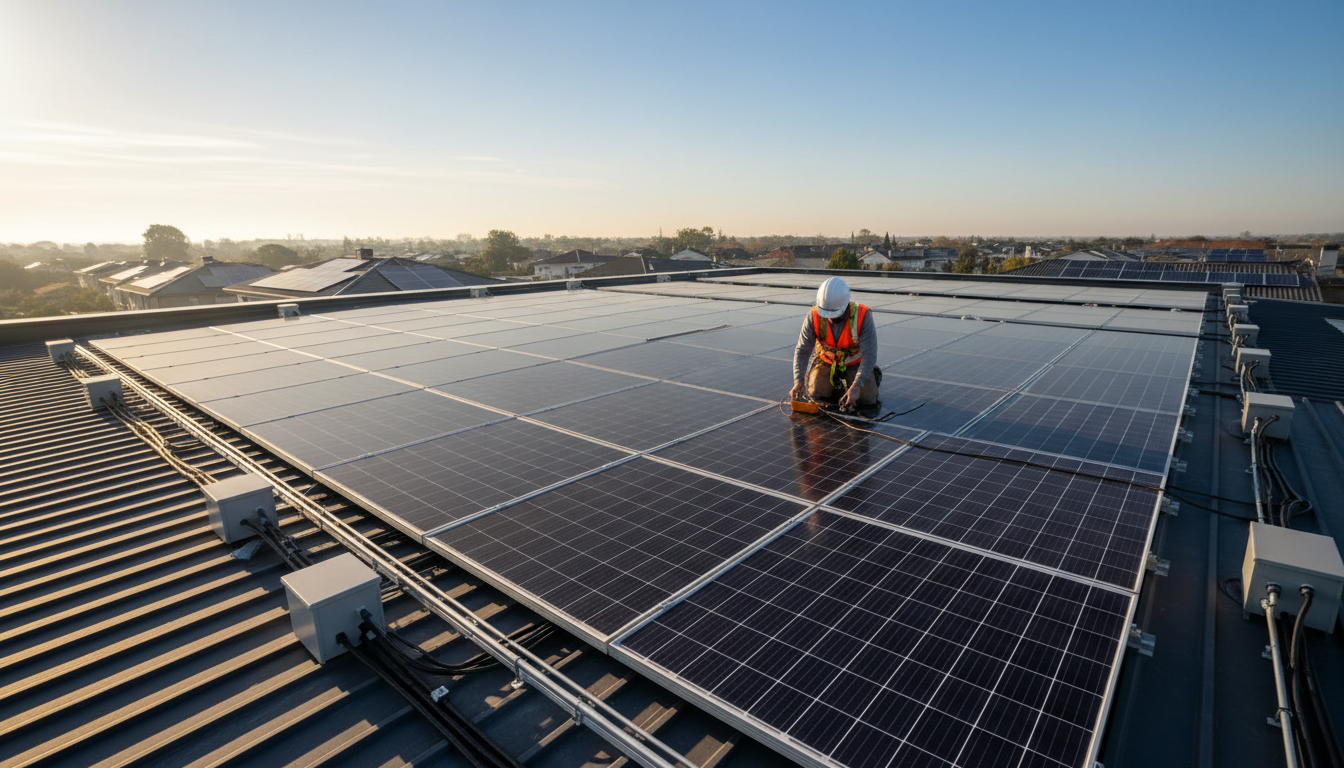
Furthermore, smart buildings in Delft contribute to sustainability by incorporating renewable energy sources. Solar panels, wind turbines, and energy storage systems are seamlessly integrated, reducing reliance on non-renewable resources and minimizing carbon footprints.
Enhanced Security and Safety
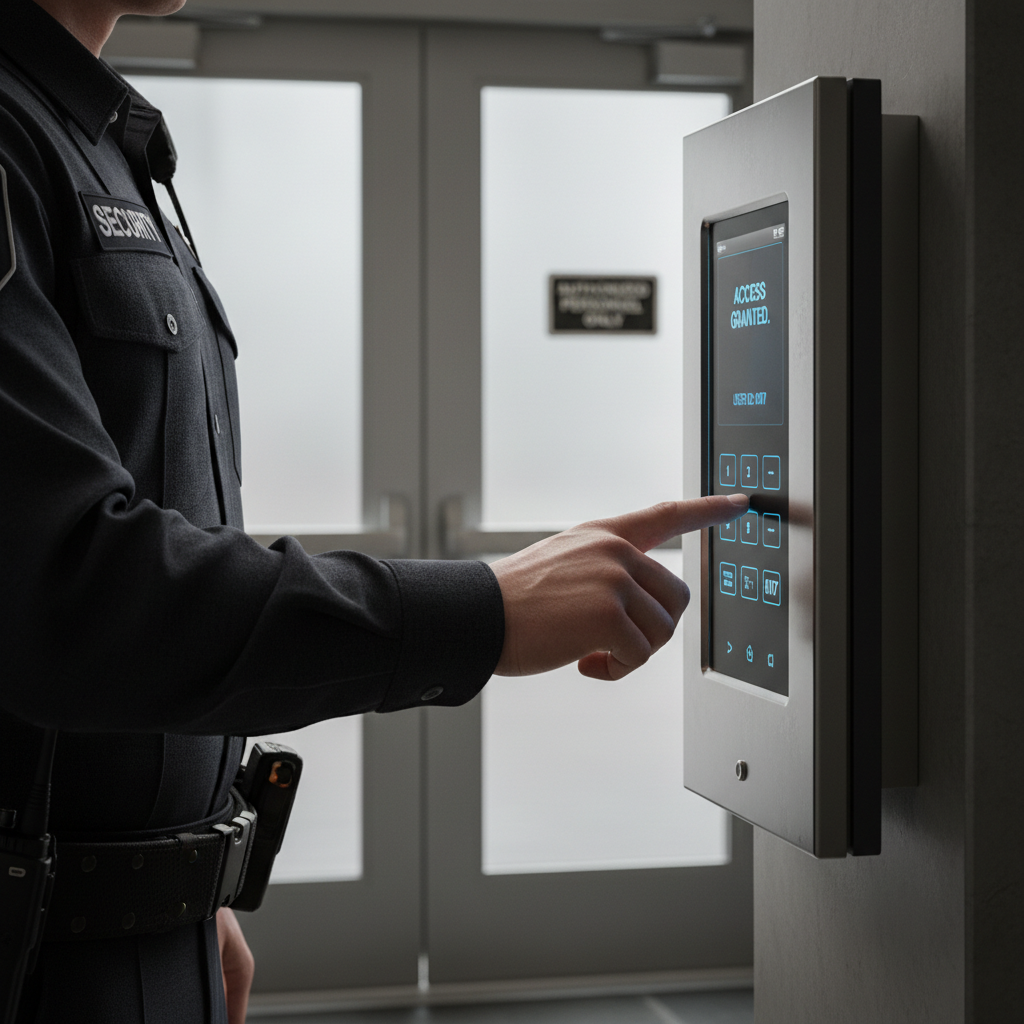
Security is a top priority for smart buildings. In Delft, advanced security systems use AI and IoT technologies to monitor premises in real-time. These systems can detect unusual activities, notify authorities, and even deploy automated responses to potential threats.
Moreover, smart building technology enhances safety through features like automated fire detection and suppression systems. These innovations ensure that residents and workers in Delft's smart buildings are protected around the clock.
Improved Comfort and Convenience
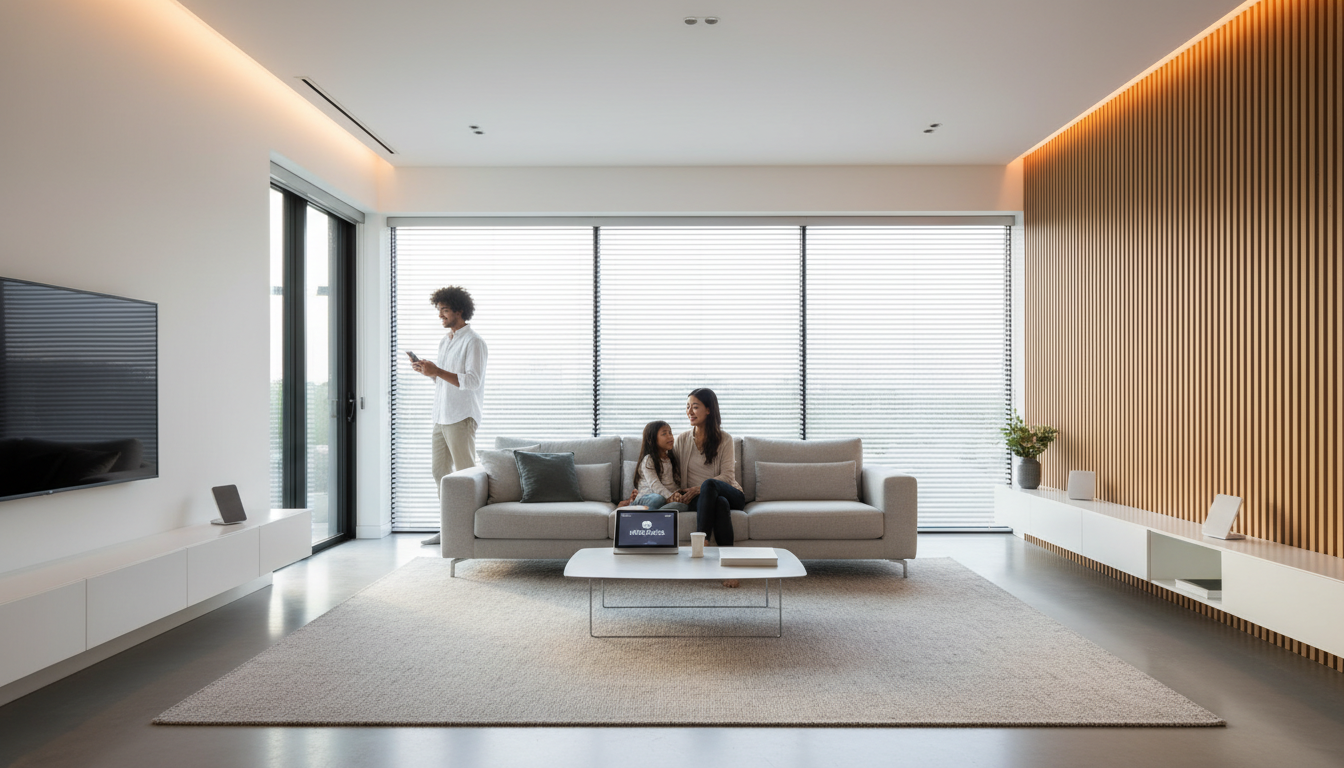
Smart buildings in Delft are designed to enhance the comfort and convenience of their occupants. Intelligent climate control systems maintain optimal temperatures, while smart lighting adjusts to natural light levels, reducing eye strain and improving productivity.
Additionally, smart homes and offices are equipped with voice-activated assistants and automated appliances, providing a seamless and efficient living experience. These features not only improve comfort but also increase the value of properties in Delft.
The Role of Data and Connectivity
Data and connectivity play a crucial role in the functionality of smart buildings. In Delft, continuous data collection from various sensors helps in predictive maintenance, reducing downtime and extending the life of building systems.
High-speed connectivity ensures that all smart devices and systems communicate effectively, providing real-time insights and control. This interconnectedness is essential for the smooth operation of smart buildings and the satisfaction of their occupants.

The Future Outlook
As Delft continues to embrace smart building technology, the city is expected to see significant advancements in urban development. The integration of AI, machine learning, and IoT will drive innovation, making buildings more intuitive and responsive to human needs.
Looking ahead, the future of smart buildings in Delft is bright. With a focus on sustainability, security, and comfort, these structures will not only meet but exceed the expectations of modern living and working environments.