
Preparing Your Data Center for Seasonal Changes: Insights from PDG Assembly
Td
Understanding the Impact of Seasonal Changes on Data Centers
As the seasons change, so do the environmental conditions that affect data centers. Temperature fluctuations, humidity variations, and even power supply inconsistencies can pose significant challenges. Ensuring your data center is prepared for these changes is crucial to maintaining optimal performance and avoiding potential downtime.
Temperature Control and HVAC Systems
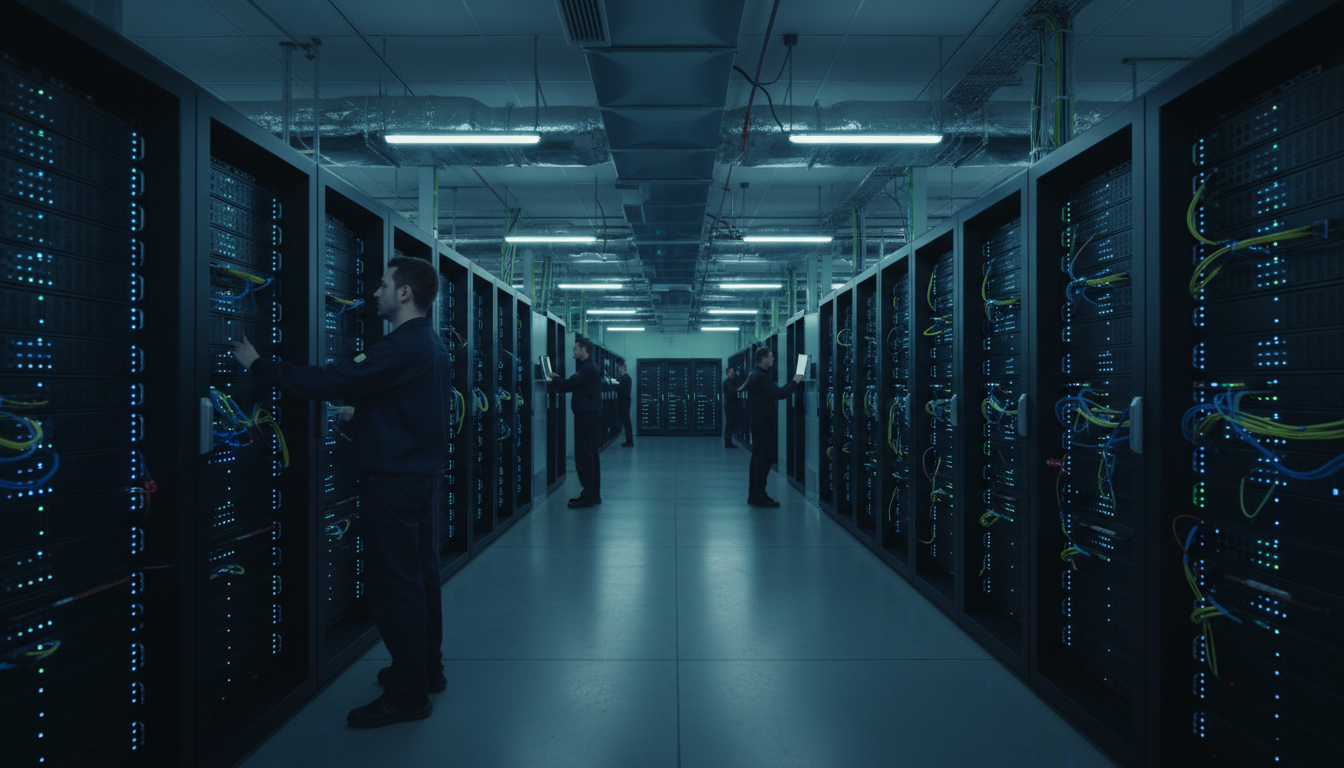
One of the most critical aspects of managing a data center is maintaining an optimal temperature. Seasonal changes can lead to extreme temperature variations, making it essential to have a robust HVAC system in place. Regular maintenance of these systems can help prevent unexpected failures and ensure efficient cooling throughout the year.
During warmer months, cooling demands increase, and your HVAC systems must work harder. It's important to check for any wear and tear and ensure filters are clean and airflow is unobstructed.
Managing Humidity Levels
Humidity control is another vital factor in data center management. Both high and low humidity levels can cause hardware issues, such as corrosion or static discharge. Installing and maintaining proper humidification systems can help mitigate these risks.

Regularly monitoring humidity levels and adjusting your systems accordingly will ensure that your data center operates within safe parameters, regardless of the season.
Power Supply and Backup Systems
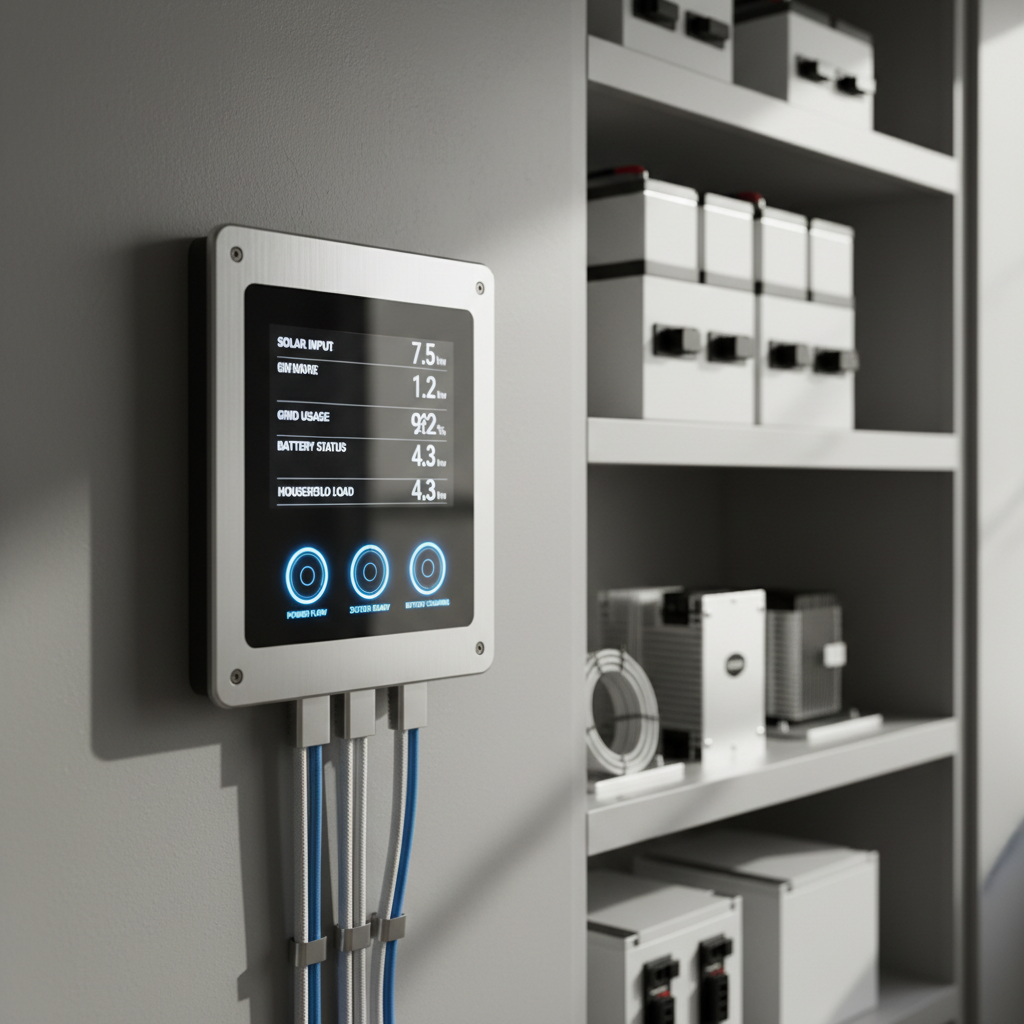
Seasonal storms and extreme weather conditions can lead to power outages. Ensuring your data center has reliable backup systems, such as uninterruptible power supplies (UPS) and generators, is essential.
Conducting regular tests of these systems will confirm their readiness in case of an emergency. Make sure to also check fuel levels and battery health for maximum reliability.
Conducting Regular Risk Assessments
Seasonal preparations should include regular risk assessments to identify potential vulnerabilities. This involves evaluating your data center's current infrastructure, updating disaster recovery plans, and ensuring all team members are trained for emergency scenarios.
By proactively addressing these risks, you can minimize the impact of unexpected events on your operations.
Implementing Environmental Monitoring Tools
Utilizing environmental monitoring tools can provide real-time data on temperature, humidity, and other critical factors. These tools help in making informed decisions and quickly addressing any issues that arise.
Setting up alerts and notifications can ensure that your team is immediately aware of any deviations from normal operating conditions.
Conclusion: Staying Ahead of Seasonal Challenges
Preparing your data center for seasonal changes is not just about responding to immediate threats, but also about implementing long-term strategies for resilience. By focusing on temperature control, humidity management, power supply readiness, and regular risk assessments, you can ensure your data center operates smoothly year-round.
With insights from PDG Assembly, you can take proactive steps to safeguard your systems against the challenges posed by seasonal variations.