
Exploring the Latest BMS Technologies for Future-Ready Systems
Td
Building Management Systems (BMS) are at the forefront of modern infrastructure, evolving rapidly to meet the demands of smart and sustainable environments. As technology advances, BMS are becoming more integral in creating efficient and future-ready systems. Let's delve into the latest developments in BMS technologies that are shaping the future.

Integration with IoT
The integration of the Internet of Things (IoT) with BMS is transforming how buildings operate. IoT devices provide real-time data, allowing for better monitoring and control of building systems. This connectivity enables predictive maintenance, reducing downtime and enhancing operational efficiency.
Moreover, IoT integration allows for seamless communication between various building systems, such as HVAC, lighting, and security. This interconnectedness leads to smarter energy management, optimizing resource use and reducing costs.
Cloud-Based Solutions
Cloud technology is revolutionizing BMS by offering scalable and flexible solutions. Cloud-based BMS provide remote access and real-time data analytics, facilitating informed decision-making. This accessibility means that facility managers can monitor systems from anywhere, enhancing responsiveness to potential issues.
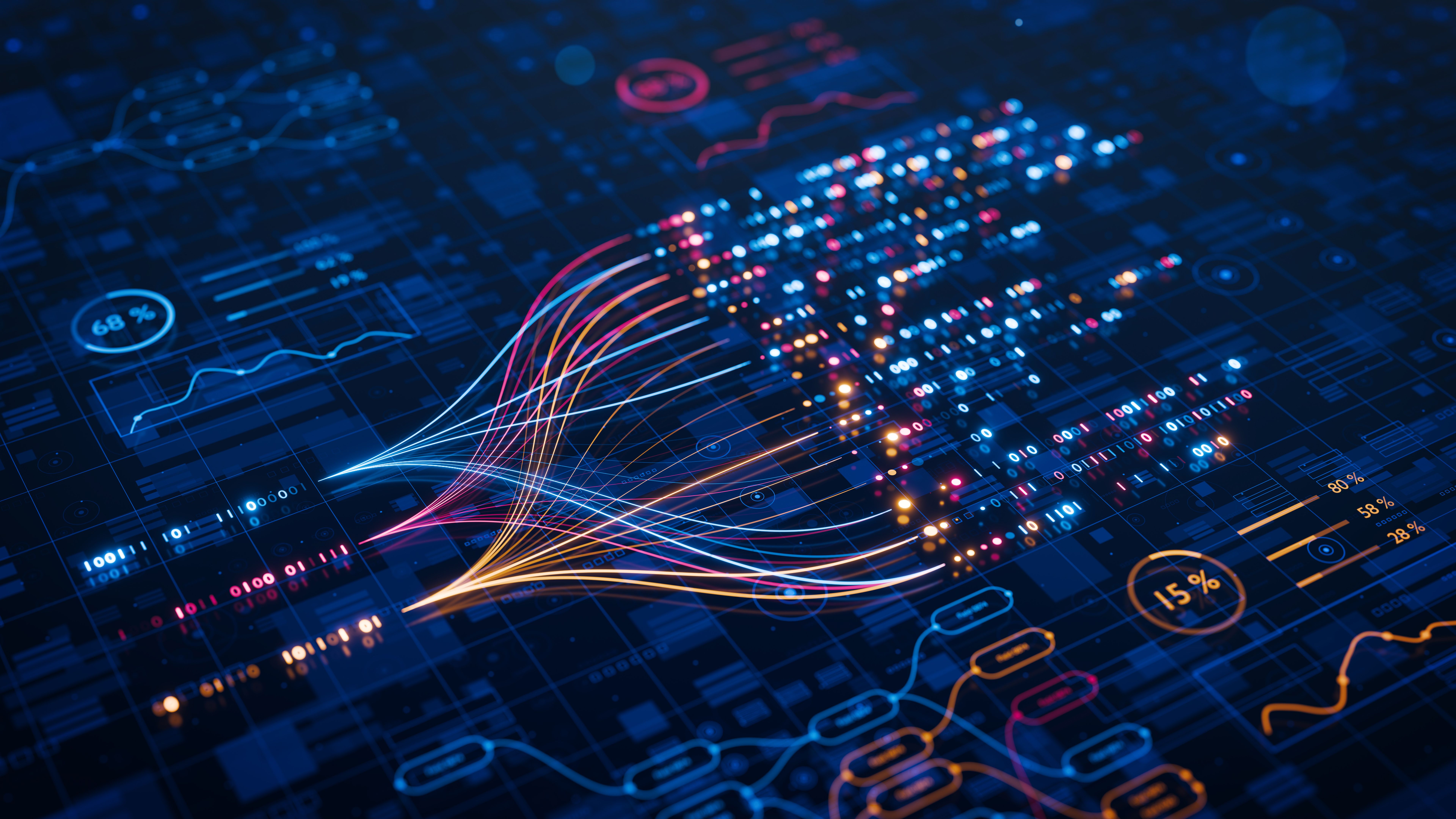
Additionally, cloud solutions offer robust data storage and security features, ensuring that sensitive information is protected while being easily accessible when needed.
AI and Machine Learning
Artificial Intelligence (AI) and Machine Learning are making BMS more intelligent. These technologies enable systems to learn from data, predict trends, and automate decision-making processes. For example, AI can optimize energy consumption by analyzing patterns and adjusting settings accordingly.
Machine Learning algorithms can also enhance building security by detecting unusual activities and triggering alerts. The ability to process vast amounts of data quickly makes AI an invaluable component of modern BMS.
Sustainability and Energy Efficiency
One of the primary goals of advancing BMS technologies is to enhance sustainability. Modern systems focus on reducing energy consumption and minimizing carbon footprints. Features like smart lighting and automated HVAC controls play a crucial role in achieving these objectives.
- Smart sensors to monitor environmental conditions
- Automated systems for optimal energy use
- Integration with renewable energy sources
These technologies not only contribute to environmental conservation but also lead to significant cost savings.
User Experience and Interface
The user experience of BMS has greatly improved with intuitive interfaces and user-friendly designs. Modern systems offer customizable dashboards that provide comprehensive insights into building operations, making it easier for facility managers to track performance and identify areas for improvement.
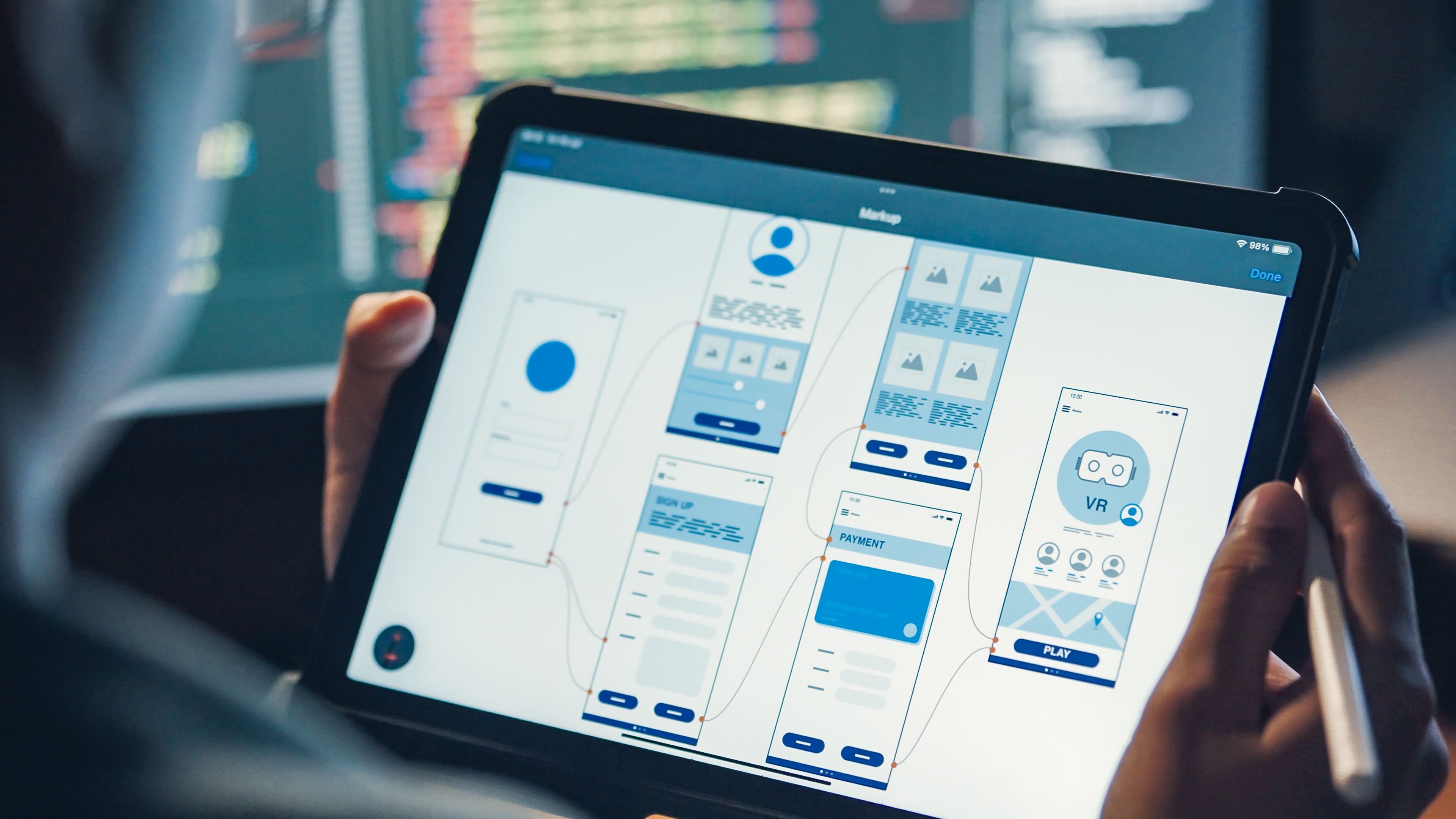
Moreover, mobile applications allow users to interact with building systems on the go, offering flexibility and convenience. This focus on user experience ensures that BMS are accessible and effective for all users.
The Future of BMS
As we look to the future, BMS technologies will continue to evolve, driven by advancements in IoT, AI, and cloud computing. The emphasis will remain on creating systems that are not only efficient and sustainable but also adaptable to the changing needs of buildings and their occupants.
The continuous development of these technologies promises a future where buildings are smarter, more responsive, and more attuned to the needs of their users, ultimately leading to more sustainable and efficient environments.