
Exploring Emerging BMS Technologies: Innovations and Impacts
Td
Introduction to Emerging BMS Technologies
Building Management Systems (BMS) have become integral to managing modern infrastructure efficiently. As technology advances, these systems are evolving, offering more sophisticated tools to optimize building operations. Emerging innovations in BMS technologies are transforming the way we approach energy management, security, and sustainability.
Innovations in Energy Management
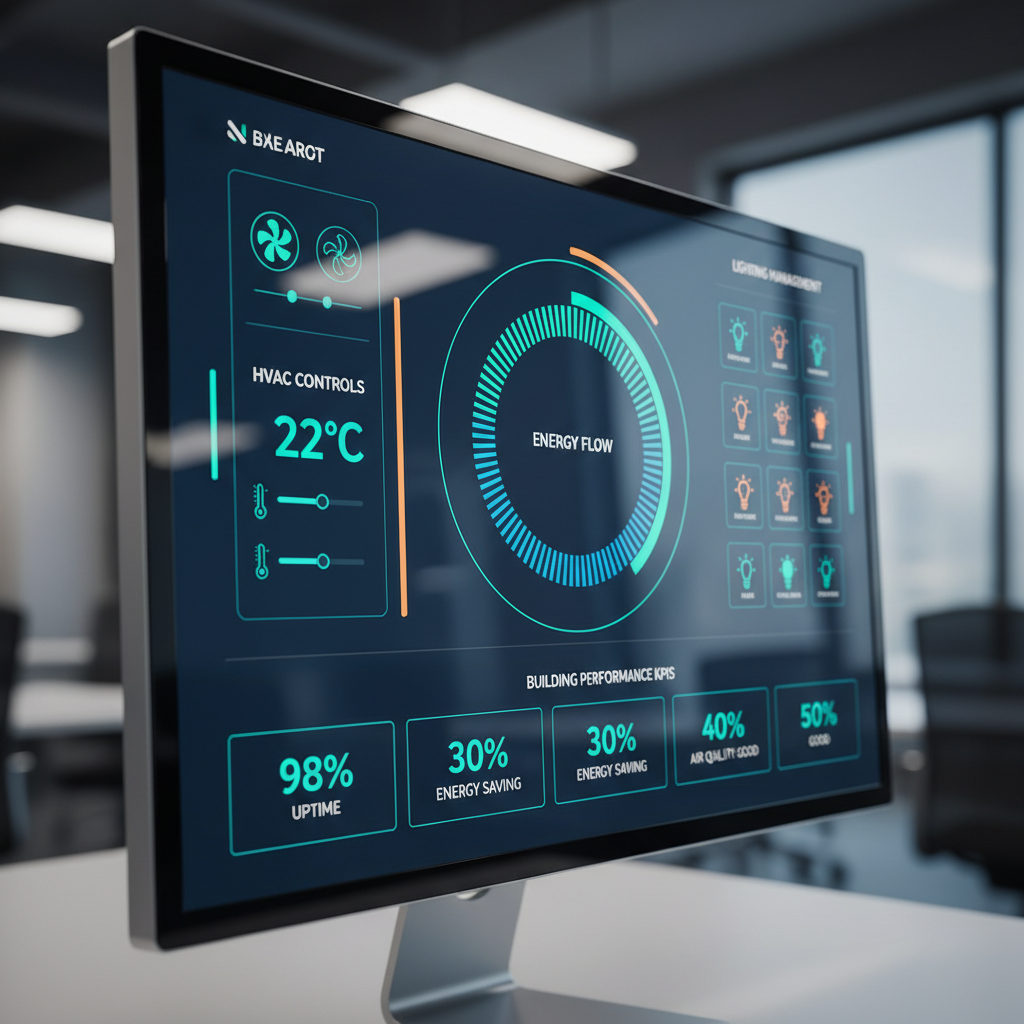
Energy management is a critical focus for BMS technologies. New systems are now integrating smart sensors and IoT devices to provide real-time data analytics. This allows facility managers to optimize energy usage, reducing costs and minimizing environmental impact. Predictive analytics can foresee energy demands and adjust systems proactively, leading to more sustainable building operations.
Additionally, the use of machine learning algorithms in BMS is becoming more prevalent. These algorithms can learn from historical data to improve energy efficiency continuously. By optimizing HVAC systems and lighting, buildings can achieve significant energy savings.
Enhanced Security Features
Security within building management systems is another area experiencing rapid advancement. Modern BMS platforms incorporate advanced surveillance technologies, including facial recognition and AI-driven threat detection. These features provide real-time alerts and comprehensive monitoring, enhancing the safety of building occupants.

Integration with mobile devices allows for remote monitoring and control, giving facility managers unprecedented access and control over their security systems. This level of connectivity ensures that security measures are both proactive and responsive.
Sustainability and Environmental Impact
Emerging BMS technologies are crucial in driving sustainability initiatives. By harnessing renewable energy sources and integrating them into building systems, facilities can significantly reduce their carbon footprint. Green building certifications are becoming more attainable as BMS technologies streamline the process of achieving and maintaining these standards.
- Solar energy integration
- Water conservation systems
- Automated waste management
Impact on Operational Efficiency
One of the most significant impacts of new BMS technologies is the enhancement of operational efficiency. These systems offer comprehensive data analysis, providing insights that lead to better decision-making. Facility managers can quickly identify and address issues, reducing downtime and maintaining optimal operations.

The automation of routine tasks allows for more focused attention on strategic planning and improvement, ultimately enhancing the overall performance of building operations.
Future Trends in BMS Technologies
The future of BMS technologies looks promising with continuous advancements in artificial intelligence and machine learning. As these technologies develop, BMS platforms will become even more intuitive, offering predictive maintenance and further reducing operational costs.
Furthermore, the integration of blockchain technology could offer enhanced data security and streamline transactions, providing an additional layer of efficiency and reliability.
Conclusion
Emerging BMS technologies are reshaping the landscape of building management. By embracing these innovations, businesses can achieve greater efficiency, enhance security, and promote sustainability. As technology continues to evolve, the potential for BMS systems to transform building operations is limitless.