Expert Tips for Optimizing Your Building Management System
Td
Understanding Your Building Management System
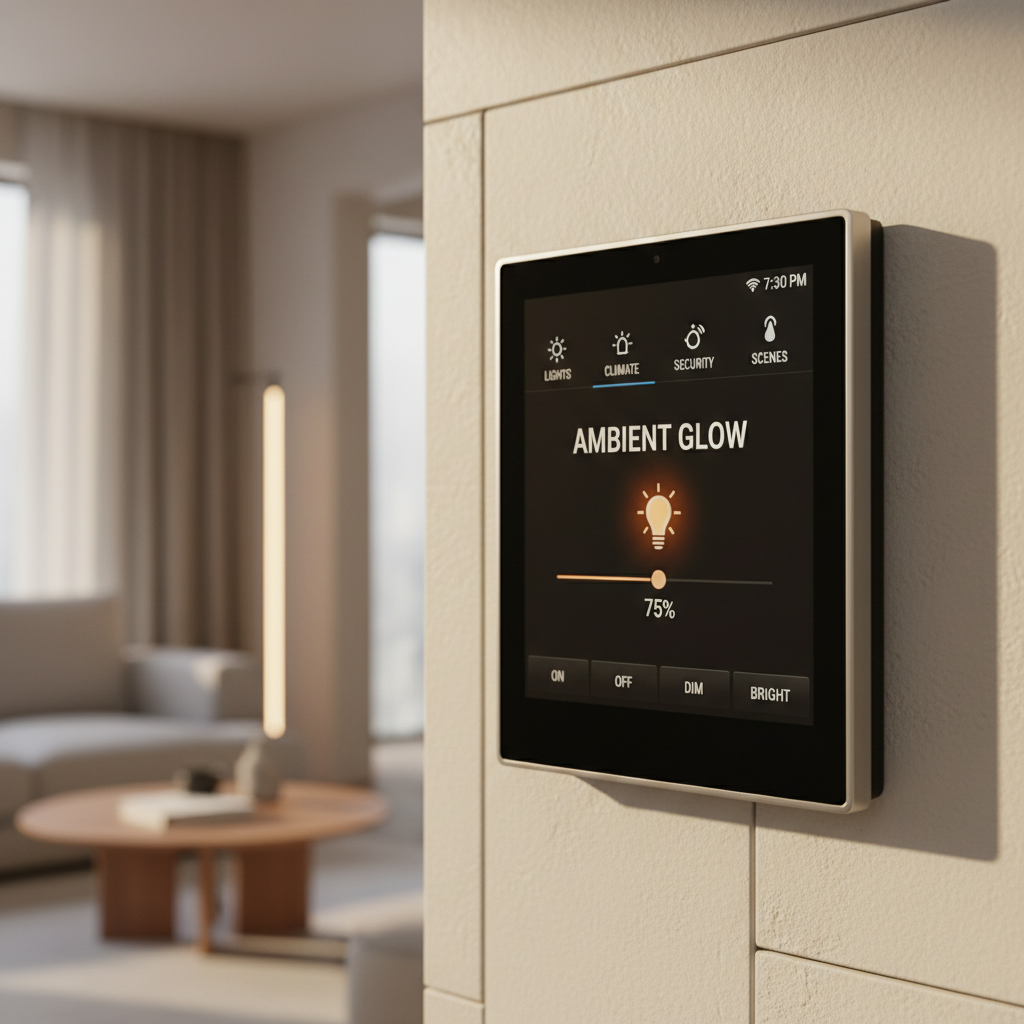
Building Management Systems (BMS) are integral to modern facilities, streamlining operations and improving energy efficiency. To truly harness their potential, it's essential to understand their components and capabilities. A BMS typically controls heating, ventilation, air conditioning (HVAC), lighting, and security systems.
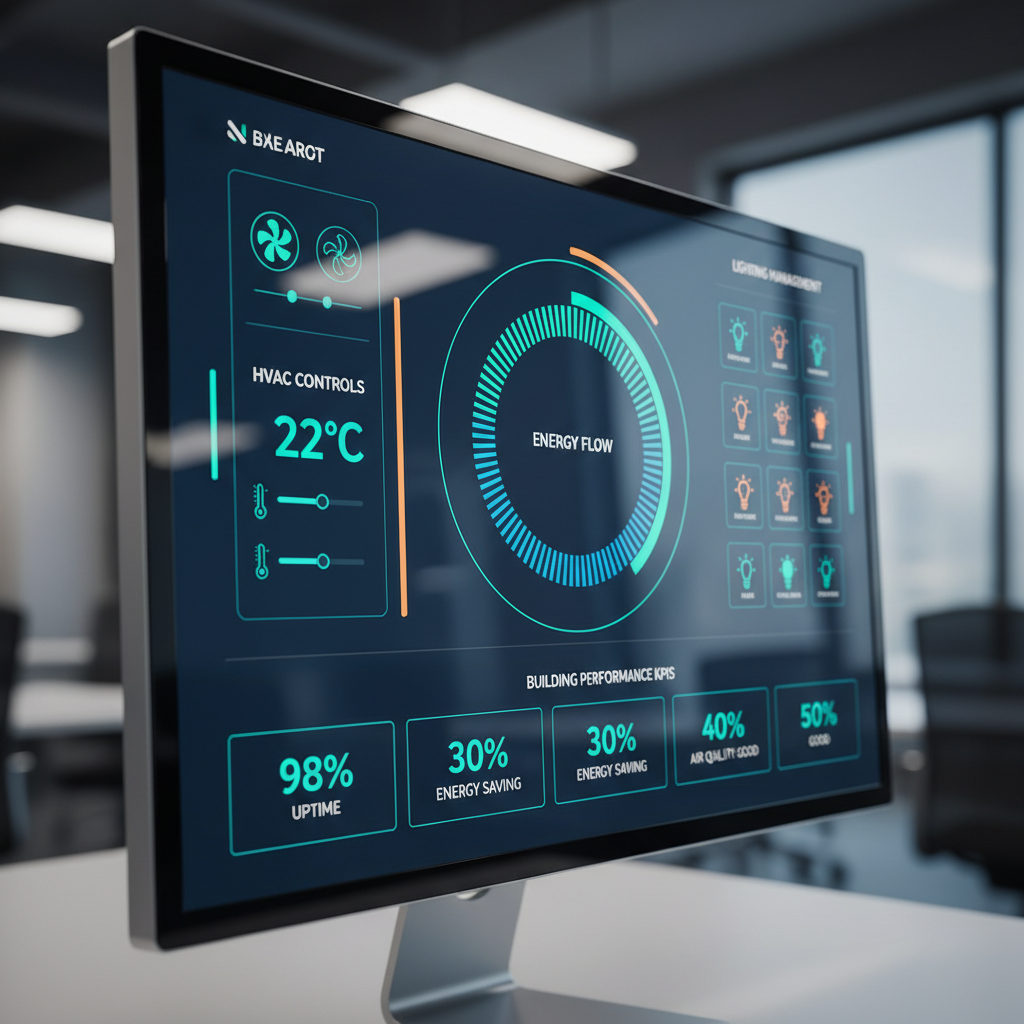
By optimizing these systems, you can significantly reduce energy consumption and operational costs. This involves regular updates, maintenance, and an understanding of how different elements interact within the system.
Regular Maintenance and Updates
One of the most crucial aspects of optimizing your BMS is ensuring it is up-to-date. Regular software updates can enhance performance and security. Additionally, scheduled maintenance checks help identify potential issues before they escalate, maintaining system efficiency.
It's advisable to work with a certified technician who can provide expert insights and recommendations tailored to your specific system needs. This proactive approach can extend the lifespan of your equipment and prevent costly repairs.

Monitoring and Analytics
Utilizing the monitoring and analytics features of your BMS can provide valuable insights into energy usage patterns. By analyzing this data, you can identify inefficiencies and implement strategies to address them.
- Track real-time energy consumption
- Identify peak usage times
- Detect anomalies in system performance
This information allows for more informed decision-making and can lead to significant cost savings over time.
Enhancing Energy Efficiency
Energy efficiency is a primary goal for many building managers. Optimizing your BMS can lead to substantial improvements in this area. Consider implementing automated controls that adjust lighting and HVAC systems based on occupancy and time of day.

Additionally, investing in energy-efficient equipment and integrating renewable energy sources can further reduce your building's carbon footprint and operational costs. These enhancements not only benefit the environment but also contribute to a healthier bottom line.
Employee Training and Engagement
Even the most advanced BMS requires knowledgeable personnel to operate effectively. Providing thorough training for your staff ensures they are well-equipped to manage and troubleshoot the system. Encourage an environment of continuous learning and improvement.
Engage employees by involving them in energy-saving initiatives and rewarding innovative ideas. A team that understands the importance of energy efficiency can significantly impact overall performance.
Leveraging Smart Technology
The integration of smart technology with your BMS can further enhance its capabilities. Smart sensors, IoT devices, and AI-driven analytics can automate processes and provide deeper insights into building operations.
Consider adopting advanced technologies that offer predictive maintenance and adaptive control systems. These innovations not only optimize performance but also provide a competitive edge in building management.