
Expert Tips for Optimizing Your Building Management System
Td
Understanding Your Building Management System
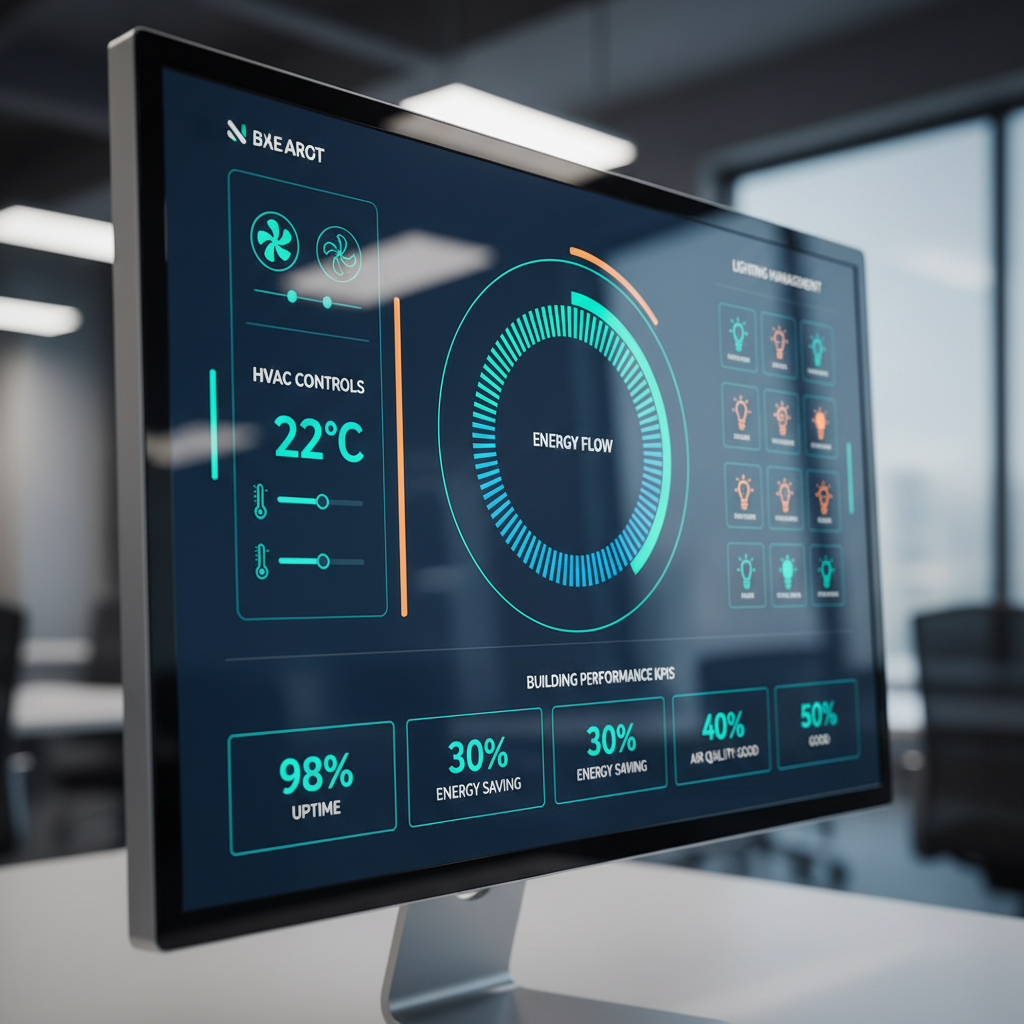
Building Management Systems (BMS) are integral to modern facility management, offering a centralized platform to control and monitor various building functions. From HVAC and lighting to security and energy management, a BMS can significantly enhance operational efficiency. However, to fully leverage its capabilities, optimization is key.
Regular Monitoring and Maintenance
To ensure optimal performance, regular monitoring and maintenance of your BMS are essential. Schedule routine checks to identify any irregularities or potential issues. This proactive approach helps in preventing unexpected breakdowns and maintaining system efficiency.
Consider implementing a maintenance plan that includes software updates and hardware inspections. Keeping your system up-to-date with the latest software versions can improve performance and security.
Data Analysis and Reporting
A BMS generates a wealth of data that, when analyzed, can provide valuable insights into building operations. Utilize data analytics tools to interpret this information, identifying patterns and areas for improvement. Regular reporting can help track performance metrics and highlight inefficiencies.

Customization for Specific Needs
Every building is unique, and your BMS should reflect that. Customize your system to align with the specific needs of your facility. Tailoring functionalities can enhance efficiency and ensure that the system supports your operational goals effectively.
Customization can involve setting specific parameters for temperature control, lighting schedules, or security protocols, ensuring that every aspect of the building operates as required.
Energy Efficiency Optimization
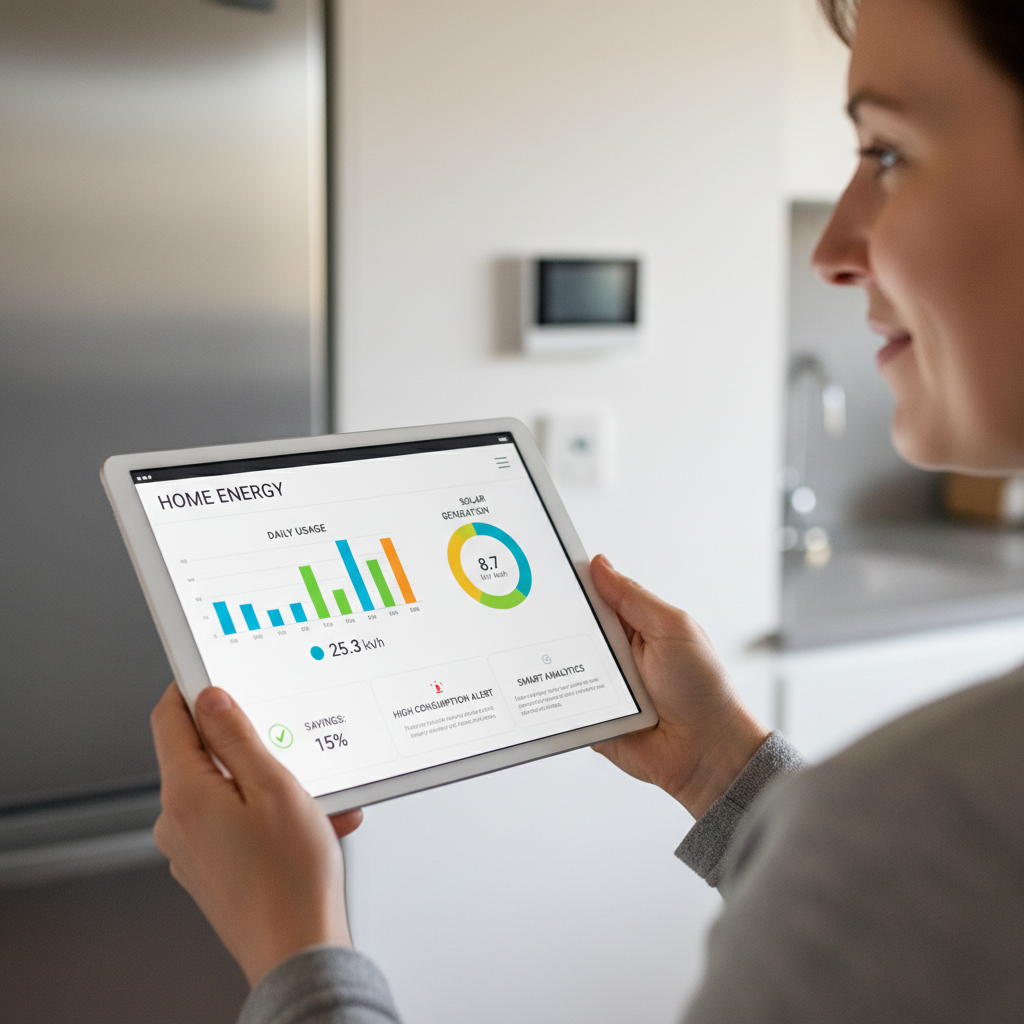
Optimizing energy usage is one of the primary benefits of a BMS. By monitoring consumption patterns, you can make informed decisions to reduce waste and lower energy costs. Implementing energy-saving strategies like automated lighting and temperature controls can lead to significant savings.
Training and User Engagement
To maximize the benefits of your BMS, it's crucial to train your staff effectively. Ensure that all users understand how to operate the system and are aware of its capabilities. User engagement can lead to better system utilization and quicker identification of any issues.
Consider hosting regular training sessions and providing resources that keep your team informed about new features or updates.
Integration with Other Systems
For a comprehensive building management strategy, consider integrating your BMS with other systems such as security, fire safety, and access control. This integration can streamline operations and provide a more cohesive management approach.
Integration allows for seamless communication between different systems, ensuring that all aspects of building management work together efficiently.

Conclusion
Optimizing your Building Management System is a continuous process that requires attention to detail and a proactive approach. By implementing these expert tips, you can enhance the efficiency, sustainability, and overall performance of your facility. Stay informed, keep your system updated, and ensure that all users are engaged and trained to make the most of your BMS.