
Expert Advice: How BMS and EPMS Can Revolutionize Your Building's Efficiency
Td
Understanding BMS and EPMS
In today's fast-paced world, the demand for high-performing and energy-efficient buildings is greater than ever. Two systems that are pivotal in achieving these goals are the Building Management System (BMS) and the Energy Performance Management System (EPMS). While they serve different purposes, together, they can significantly enhance a building's efficiency.
The BMS is a centralized system designed to monitor and control a building's mechanical and electrical equipment such as ventilation, lighting, power systems, and fire systems. On the other hand, EPMS focuses specifically on energy usage, providing insights and analytics to optimize energy consumption.
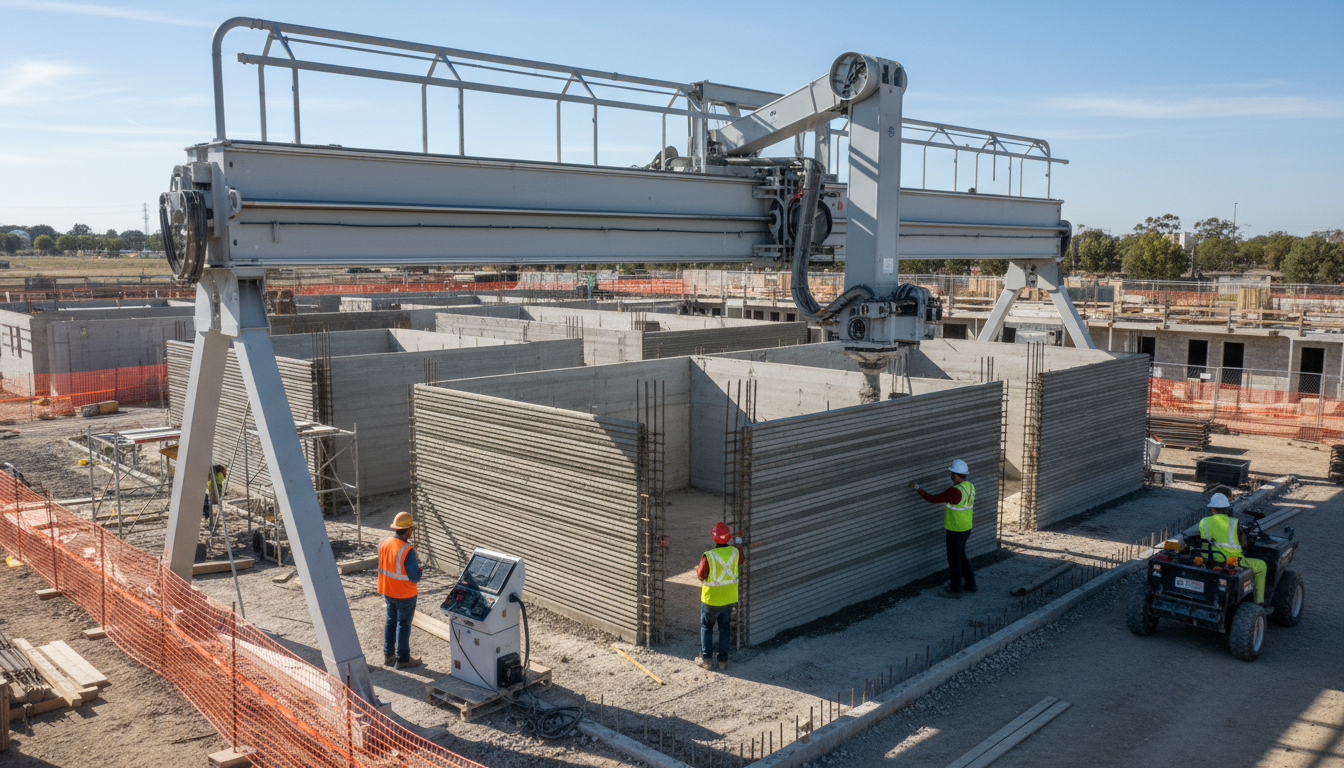
The Benefits of Implementing BMS
A well-integrated BMS offers numerous advantages. It ensures optimal operation of building systems, reducing energy waste and improving comfort for occupants. By monitoring system performance, it can also predict maintenance needs, minimizing downtime and repair costs.
Moreover, a BMS can enhance security by integrating with surveillance and access control systems. This holistic approach allows building managers to oversee all aspects from a single interface, streamlining operations and decision-making processes.
How EPMS Complements BMS
While the BMS focuses on operational control, EPMS provides the analytical backbone needed to drive energy efficiency. It collects data on energy consumption patterns and provides insights into where improvements can be made, which can lead to significant cost savings.
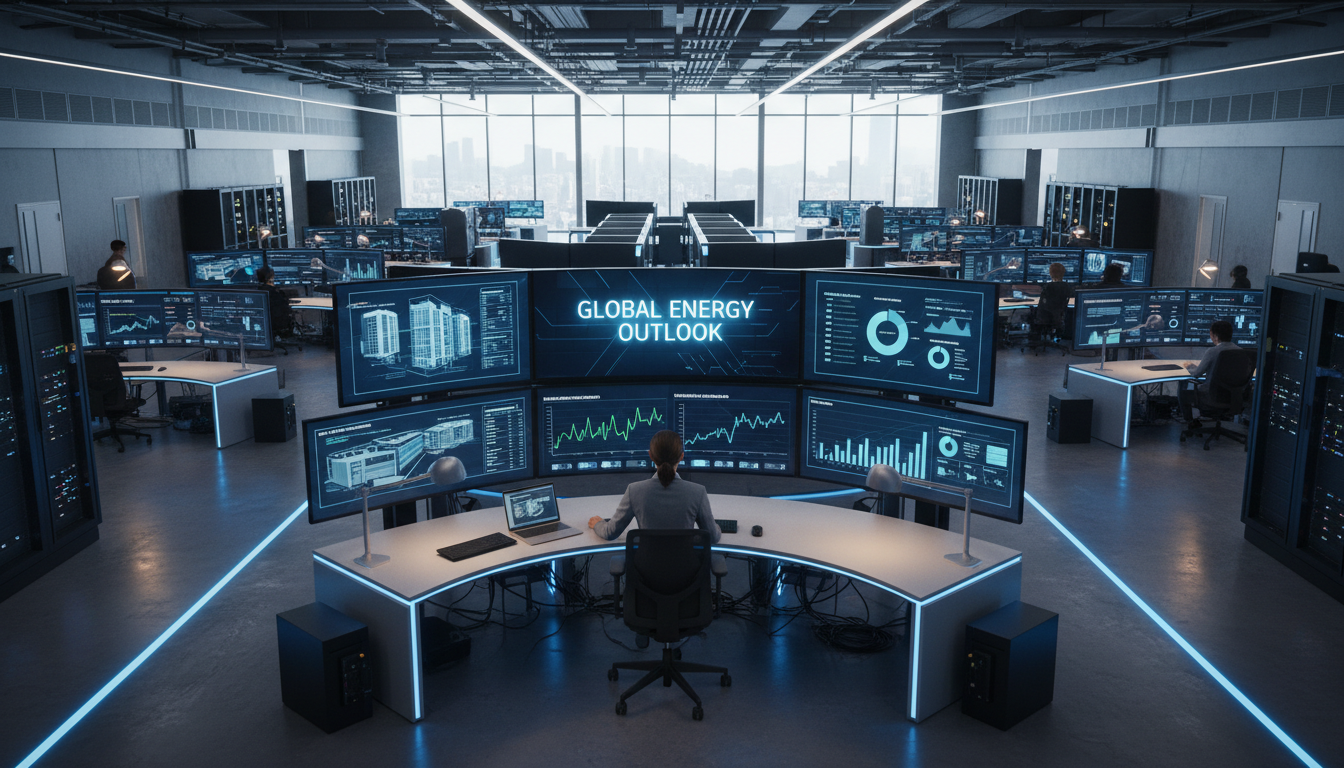
Integrating EPMS with BMS allows for automated adjustments based on real-time data. For instance, if the EPMS detects an unusual spike in energy usage, it can signal the BMS to adjust HVAC settings, ensuring efficiency without compromising comfort.
Maximizing Efficiency with Combined Systems
Combining BMS and EPMS results in a powerful toolkit for building managers. Together, they can automate responses to changing conditions, optimize energy use, and maintain peak performance without manual intervention.
This synergy is particularly beneficial in large commercial buildings where energy consumption is a major concern. By leveraging data analytics and automation, these systems reduce operational costs and environmental impact.

Future-Proofing Your Building
Investing in BMS and EPMS also future-proofs your building. As regulations around energy usage and sustainability become stricter, having these systems in place ensures compliance and enhances the building's value.
Additionally, as technology evolves, these systems can be upgraded to incorporate new advancements, ensuring your building remains at the forefront of efficiency and innovation.
Conclusion: A Step Towards Sustainability
Incorporating BMS and EPMS into your building's infrastructure is a strategic move towards sustainability. Not only do these systems improve efficiency and reduce costs, but they also contribute to a greener, more sustainable future.
By taking advantage of the latest in building technology, you can create an environment that is not only efficient but also comfortable and responsive to the needs of its occupants. Embrace the power of BMS and EPMS today and revolutionize your building's efficiency.