
Comprehensive Guide to Cloud-Based BMS Systems in Delft
Td
Understanding Cloud-Based BMS Systems
Cloud-Based Building Management Systems (BMS) are revolutionizing the way facilities are managed in Delft. These systems leverage the power of the cloud to provide real-time data, remote accessibility, and improved efficiency in building operations. By integrating various building functions into a single platform, cloud-based BMS systems offer a holistic approach to facility management.
The primary advantage of a cloud-based system is its **accessibility**. Users can control and monitor building systems from anywhere in the world, ensuring that facilities are running optimally at all times. This level of control is particularly beneficial for managing multiple properties or large complexes.
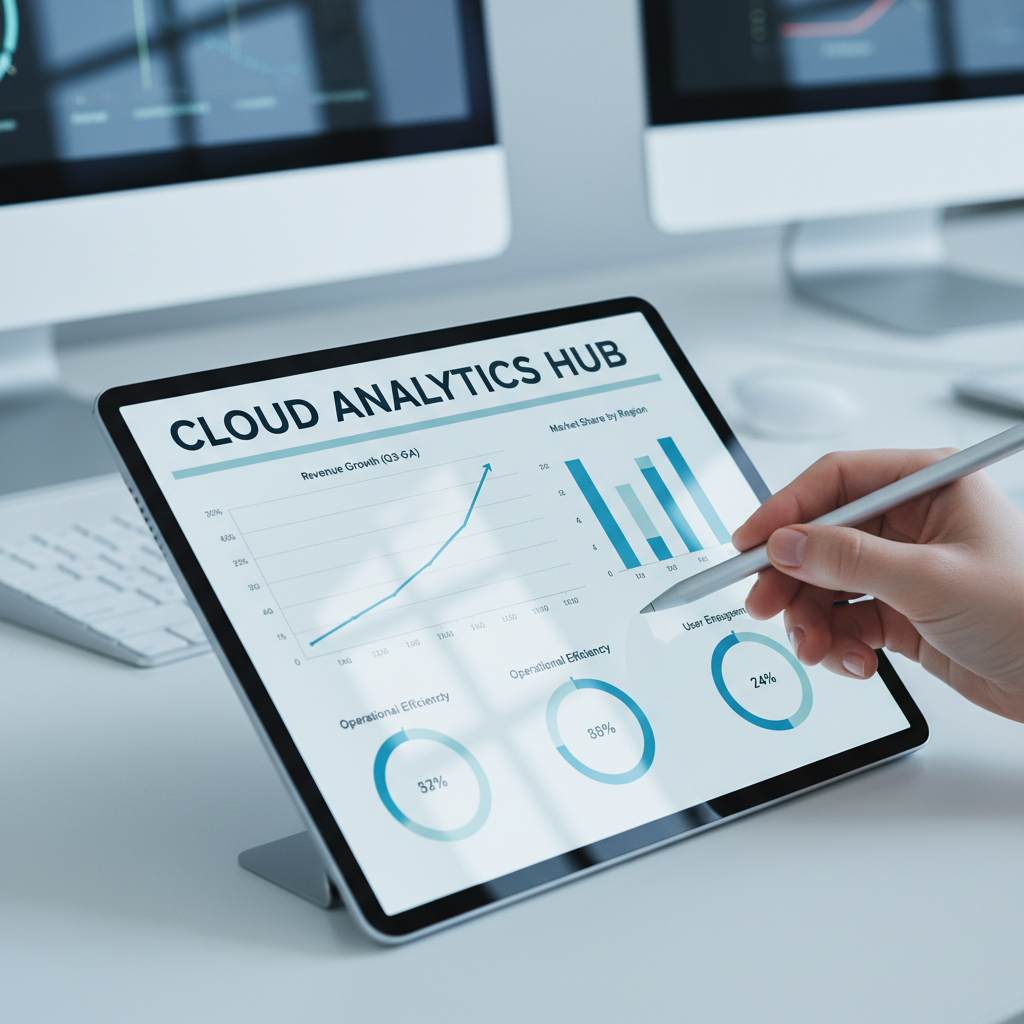
Key Features of Cloud-Based BMS
Cloud-based BMS systems in Delft come equipped with a range of features designed to enhance building management. These include:
- **Real-Time Monitoring**: Immediate access to data on energy usage, HVAC systems, lighting, and more.
- **Predictive Maintenance**: Utilizing data analytics to predict and address maintenance needs before they become issues.
- **Energy Efficiency**: Tools to optimize energy consumption, reducing costs and environmental impact.
These features not only improve operational efficiency but also contribute to sustainability goals by reducing the carbon footprint of buildings.

Implementation in Delft
Delft has been at the forefront of adopting cloud-based BMS systems. The city's commitment to innovation and sustainability makes it an ideal environment for these advanced technologies. Local businesses and government buildings are increasingly implementing these systems to ensure efficient and eco-friendly operations.
By using cloud-based BMS, facility managers in Delft gain valuable insights into building performance, enabling data-driven decisions that enhance both comfort and efficiency.
Challenges and Considerations
While the benefits are clear, there are several challenges associated with implementing cloud-based BMS systems. **Security** is a primary concern, as sensitive data is stored and accessed via the cloud. It's crucial to implement robust cybersecurity measures to protect this information.
Additionally, the initial cost of transitioning to a cloud-based system can be significant. However, the long-term savings and operational benefits often justify the investment.

Future of BMS in Delft
The future of building management in Delft is undoubtedly leaning towards more integrated and intelligent systems. As technology continues to evolve, we can expect even more advanced features in cloud-based BMS, such as enhanced AI capabilities and greater integration with IoT devices.
For businesses looking to stay competitive and sustainable, investing in a cloud-based BMS system is a strategic move. It not only improves operational efficiency but also aligns with global trends towards smarter, greener buildings.
Conclusion
Cloud-based BMS systems represent a significant advancement in building management technology. For cities like Delft, embracing these systems is essential for achieving sustainability and efficiency goals. By understanding the features, benefits, and challenges, businesses can make informed decisions about integrating these systems into their operations.
As more buildings in Delft adopt cloud-based BMS solutions, the city continues to set an example for innovative and sustainable urban management.