
Comparing IoT Solutions: What Works Best for Dutch Buildings?
Td
Understanding the Role of IoT in Dutch Buildings
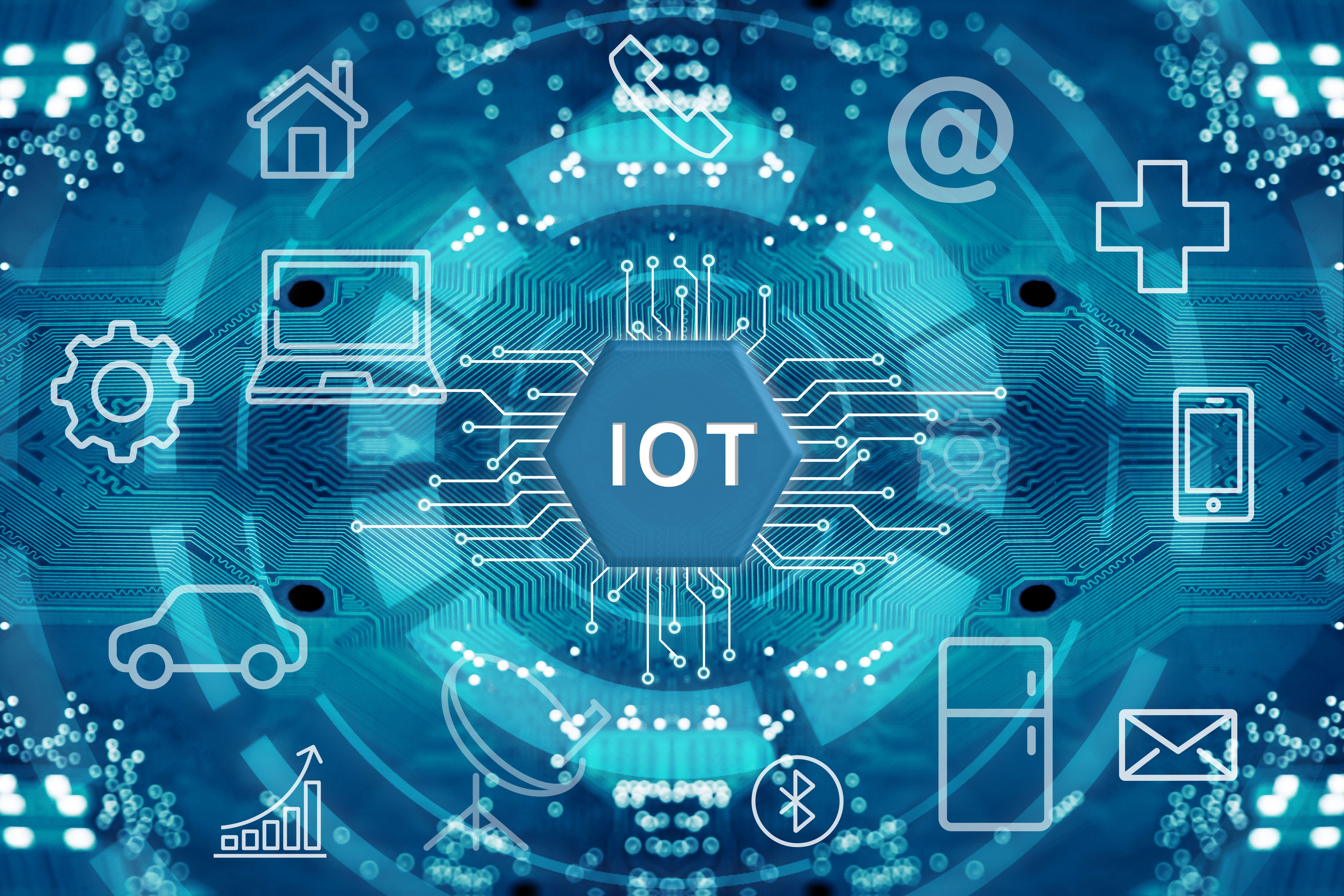
The Internet of Things (IoT) is revolutionizing how buildings operate, offering a range of solutions that enhance efficiency and sustainability. In the Netherlands, where environmental consciousness and smart technology are highly valued, IoT solutions are becoming integral to modern building management. But with so many options available, how do you determine what works best?

Energy Management Solutions
One of the most significant applications of IoT in buildings is energy management. Dutch buildings can leverage IoT to monitor and control energy usage, leading to substantial cost savings and a reduced carbon footprint. Solutions such as smart meters and connected thermostats allow for real-time energy consumption tracking, enabling building managers to make informed decisions.
Integrating renewable energy sources, like solar panels, with IoT technology can further optimize energy use. By using IoT to predict energy production and consumption patterns, buildings can maximize the efficiency of these renewable systems.
Smart Security Systems
Security is another crucial aspect where IoT solutions excel. Smart locks, cameras, and sensors can be integrated to provide comprehensive security coverage for Dutch buildings. These systems offer real-time alerts and remote access, ensuring that building managers can respond promptly to any potential threats.

Moreover, advanced analytics and AI can be used to identify unusual patterns, adding an extra layer of security. This proactive approach not only enhances safety but also streamlines security operations.
Improving Building Maintenance
IoT solutions play a pivotal role in predictive maintenance, which is particularly beneficial for the upkeep of Dutch buildings. By utilizing sensors and data analytics, building managers can detect issues before they escalate, minimizing downtime and repair costs.
For example, IoT sensors can monitor HVAC systems to ensure optimal performance and predict failures. This capability helps maintain a comfortable environment for occupants while reducing maintenance expenses.
Enhancing Occupant Experience
Beyond operational efficiencies, IoT solutions can significantly improve the occupant experience in Dutch buildings. Smart lighting, climate control, and personalized settings can create a more comfortable and efficient environment tailored to individual preferences.
By collecting data on how spaces are used, IoT systems can optimize layouts and facilities, ensuring that the building meets the needs of its occupants effectively.
Choosing the Right IoT Solution
When selecting IoT solutions for Dutch buildings, it is essential to consider the specific needs of the building and its occupants. Factors such as building size, type, and the existing infrastructure should be taken into account. Additionally, scalability and integration capabilities are crucial for future-proofing the investment.
It's also important to work with reliable IoT providers who offer robust security measures to protect sensitive data. Ensuring data privacy and compliance with regulations is vital in the implementation of any IoT solution.
Conclusion: Tailoring IoT to Dutch Needs
In conclusion, IoT solutions offer transformative benefits for Dutch buildings, from energy management and security to maintenance and occupant experience. By carefully evaluating and selecting the right IoT technologies, building managers can enhance operational efficiency, reduce costs, and create a more sustainable and enjoyable environment.
The future of building management in the Netherlands is undeniably intertwined with IoT, and those who embrace these technologies today will be well-positioned to lead in the smart building revolution.