
Case Study: Successful Implementation of BMS in a Delft Office Building
Td
Introduction
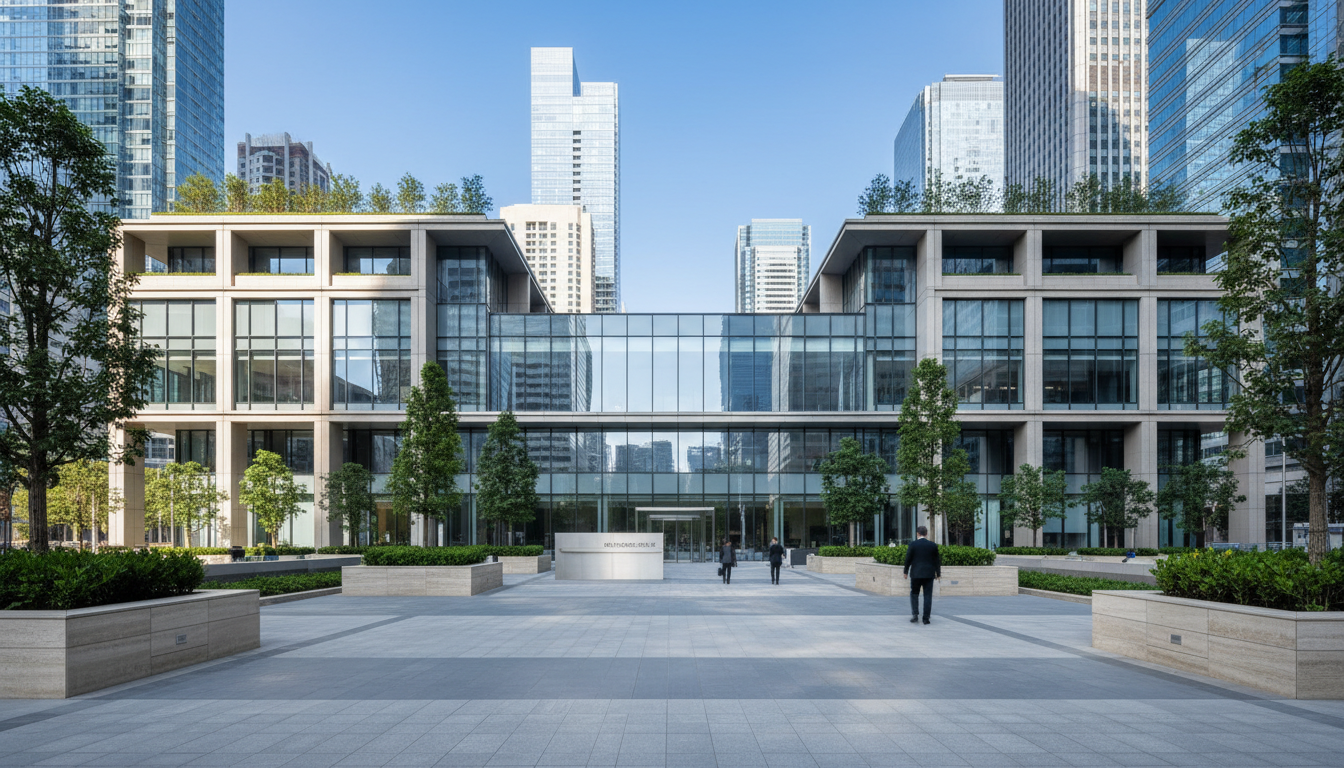
The implementation of a Building Management System (BMS) can significantly enhance the efficiency and sustainability of office spaces. In this case study, we explore the successful integration of a BMS in a modern office building located in Delft. This project showcases how technology can transform traditional workspaces into smart, energy-efficient environments.
Project Overview
The Delft office building, home to multiple businesses, faced challenges with energy consumption and operational efficiency. The management team sought a solution to reduce costs and improve environmental impact. Partnering with a leading BMS provider, they embarked on a mission to modernize their infrastructure.
The objective was clear: implement a BMS that could seamlessly integrate with existing systems, offer real-time monitoring, and provide data-driven insights for better decision-making. The project included the installation of sensors, control systems, and analytical software.
Implementation Process
The implementation process was divided into several key phases:
- Assessment: A thorough assessment of the building's current systems and energy consumption patterns was conducted.
- Design: A customized BMS design was developed to address specific needs and challenges.
- Installation: State-of-the-art sensors and control units were installed across the building.
- Integration: The new systems were integrated with existing infrastructure for seamless operation.
Key Features of the BMS
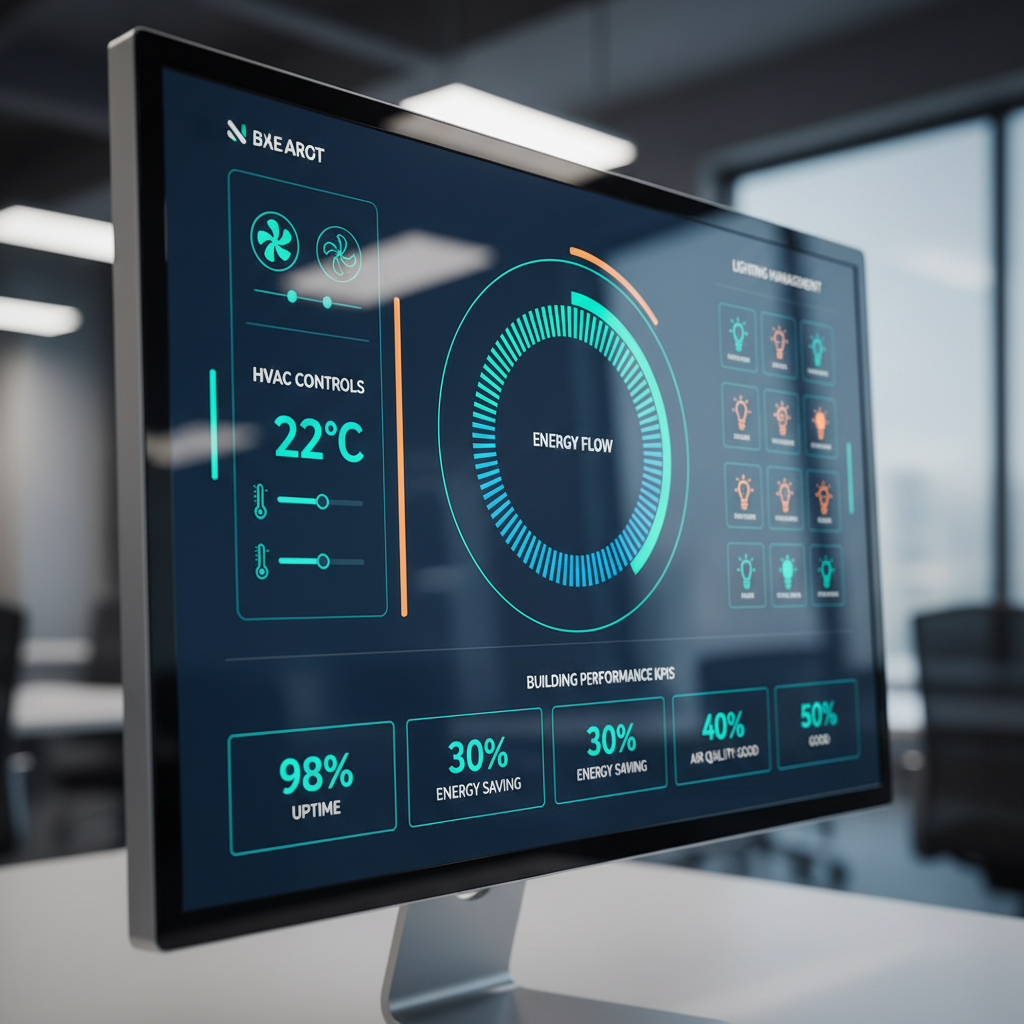
The BMS introduced several advanced features that contributed to its success:
- Real-time Monitoring: Facility managers gained access to real-time data on energy usage and system performance.
- Automated Controls: Automated systems adjusted lighting, heating, and cooling based on occupancy and time of day.
- Predictive Maintenance: The system provided alerts for potential issues, enabling proactive maintenance.
Outcomes and Benefits
The implementation of the BMS led to significant improvements in the building's operational efficiency. Energy consumption was reduced by over 25%, leading to substantial cost savings. Additionally, the building's carbon footprint was minimized, aligning with sustainability goals.
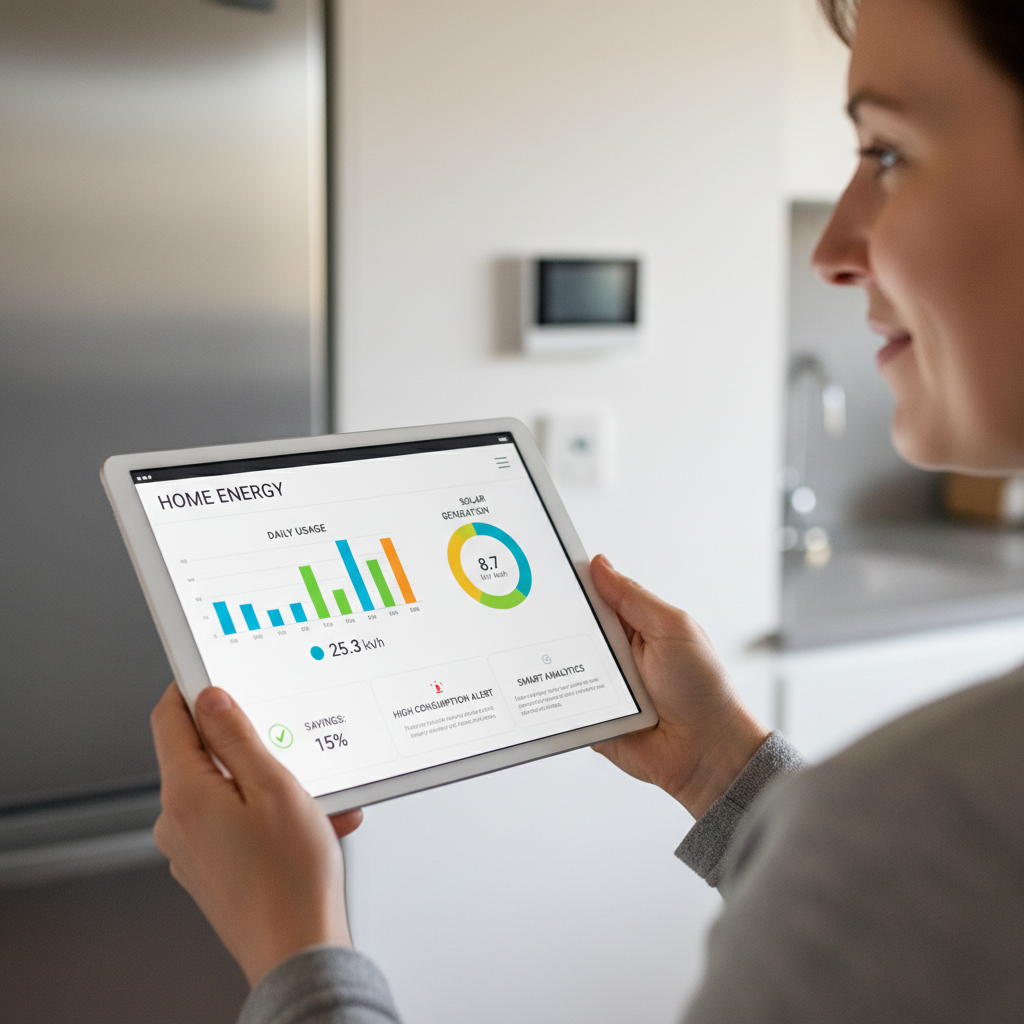
Occupants reported enhanced comfort levels, as the system ensured optimal temperature and lighting conditions. The facility management team also benefited from streamlined operations and data-driven decision-making capabilities.
Challenges and Solutions
Despite its success, the project faced challenges, including the integration of new technology with legacy systems and ensuring minimal disruption to building operations. These were addressed through strategic planning, phased implementation, and thorough testing.
Conclusion
This case study highlights the transformative impact of implementing a BMS in a commercial setting. By embracing technology, the Delft office building not only improved its operational efficiency but also set a benchmark for sustainability in modern workspaces. The success of this project serves as an inspiration for other buildings seeking to innovate and optimize their operations.