
A Complete Guide to BMS, EPMS, and BACOP Systems
Td
Understanding BMS, EPMS, and BACOP Systems
Building Management Systems (BMS), Electrical Power Management Systems (EPMS), and Building Automation and Control Protocol (BACOP) systems are integral to modern infrastructure management. These systems streamline operations, enhance energy efficiency, and ensure safety. Understanding their functionalities and differences is crucial for effective implementation.
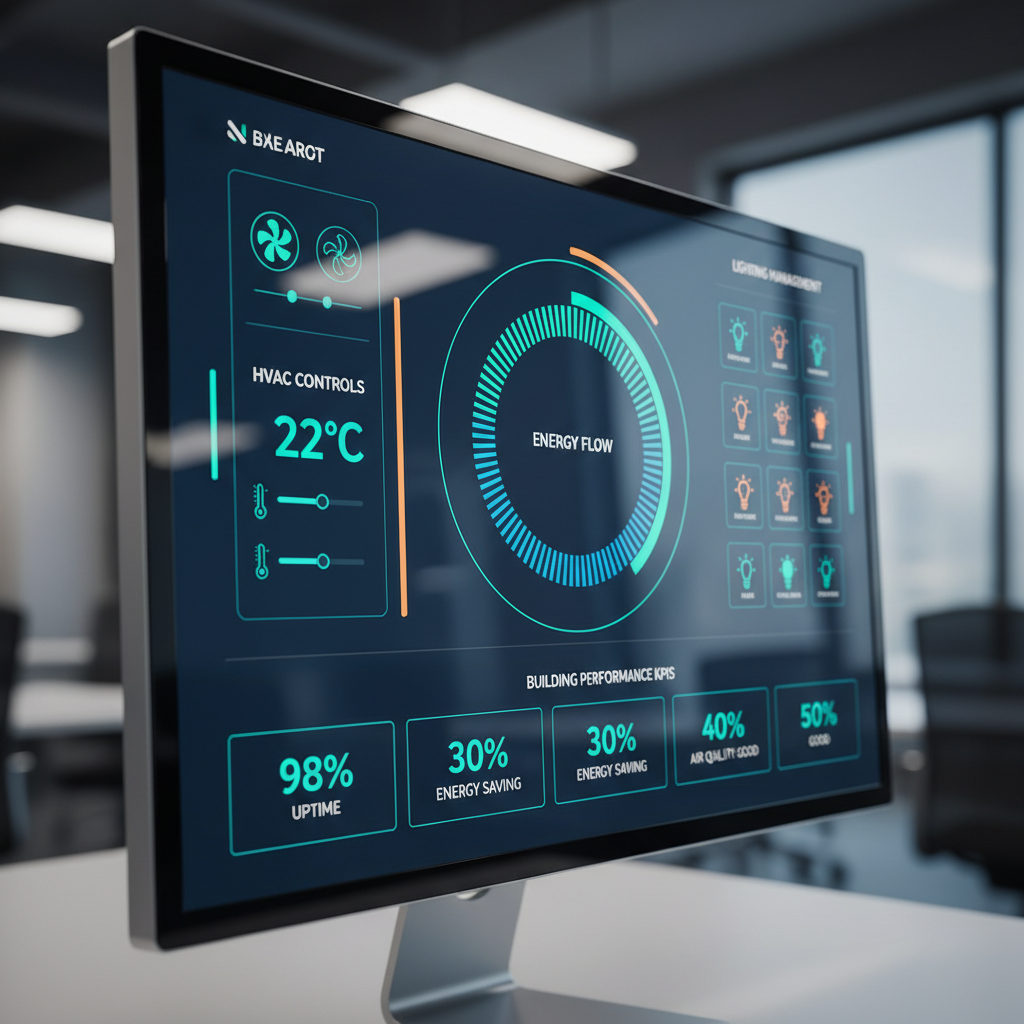
What is a Building Management System (BMS)?
A BMS is a centralized control system that monitors and manages a building's mechanical and electrical equipment. This includes HVAC, lighting, power systems, fire systems, and security systems. The primary goal of a BMS is to create a comfortable, safe, and energy-efficient environment.
Key benefits of a BMS include:
- Energy Efficiency: Automated control of systems reduces energy consumption.
- Operational Cost Savings: Improved monitoring leads to better resource allocation.
- Enhanced Comfort: Consistent environmental conditions improve occupant comfort.
Exploring Electrical Power Management Systems (EPMS)
EPMS focuses specifically on monitoring and controlling electrical systems. It helps in tracking energy usage, managing load distribution, and ensuring reliable power supply. EPMS is essential for facilities that require high energy consumption and need precise control over their electrical infrastructure.

Features of an EPMS include:
- Real-time Monitoring: Instant access to power usage data.
- Predictive Maintenance: Identifies potential issues before they lead to failures.
- Load Management: Balances power loads to prevent outages.
Understanding Building Automation and Control Protocol (BACOP)
BACOP systems are essential for integrating various building systems for seamless operation. These protocols facilitate communication between different devices and systems, ensuring they work together efficiently. BACOP is crucial for the interoperability of different technologies within a building.

Advantages of BACOP include:
- Interconnectivity: Ensures all systems communicate effectively.
- Scalability: Easily integrates new technologies as they emerge.
- Cost-Effectiveness: Reduces the need for separate control systems.
Choosing the Right System for Your Needs
When selecting between BMS, EPMS, and BACOP systems, it's crucial to assess your building's specific needs. Consider factors such as the size of the facility, the complexity of systems, and budget constraints. Consulting with industry professionals can provide tailored solutions that maximize efficiency and savings.
Incorporating these systems into your infrastructure not only enhances operational efficiency but also contributes to sustainable practices. As technology advances, the integration of BMS, EPMS, and BACOP systems will continue to evolve, offering even more sophisticated solutions.